
1) What I Learned Testing Oven Roasted Chicken Thighs
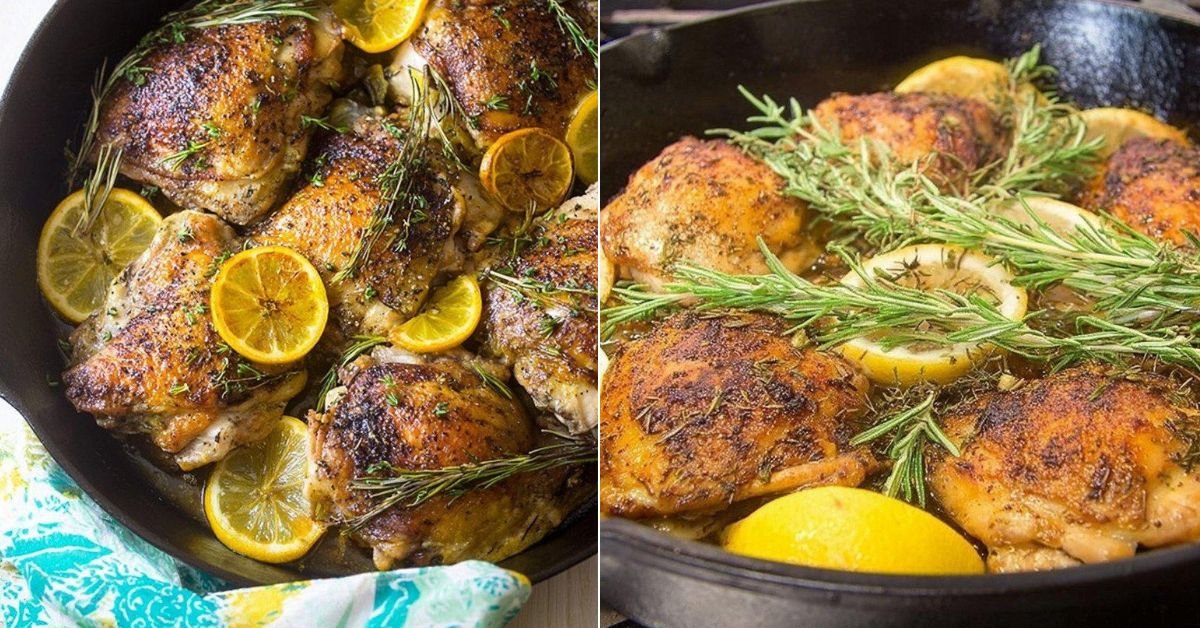
Dry chicken with pale skin can ruin dinner fast, especially when the outside looks promising but the inside tastes flat. I’m Denise, and after a few batches where the skin steamed instead of crisped, I started testing heat, pan choice, and how dry the chicken needed to be before searing. The discovery was simple but comforting: oven roasted chicken thighs need a smoking-hot skillet first, then a short oven finish. That one adjustment turned chicken thighs in oven dinners into something juicy, golden, lemony, and reliable enough for a calm Sunday family meal.
Table of Contents
- 1) What I Learned Testing Oven Roasted Chicken Thighs
- 2) Key Takeaways
- 3) Easy Oven Roasted Chicken Thighs Recipe
- 4) Why Most Oven Roasted Chicken Thighs Recipes Fail
- 5) Ingredients for Oven Roasted Chicken Thighs
- 6) How to Make Oven Roasted Chicken Thighs
- 7) Recipe Card: Oven Roasted Chicken Thighs
- 8) Tips for Making Oven Roasted Chicken Thighs
- 9) Common Mistakes & Fixes
- 10) How to Tell Oven Roasted Chicken Thighs Are Done
- 11) Professional Secrets Behind Better Oven Roasted Chicken Thighs
- 12) Best Dishes or Pairings to Serve With Oven Roasted Chicken Thighs
- 13) Making Oven Roasted Chicken Thighs Ahead of Time
- 14) Storing Leftover Oven Roasted Chicken Thighs
- 15) FAQ (Real Cooking Questions)
- 16) Save This Oven Roasted Chicken Thighs Recipe
- 17) Conclusion
- 18) Nutrition
2) Key Takeaways
- Dry skin matters more than extra seasoning: Moisture on the surface blocks browning, so patting the chicken well is the first step toward crisp skin.
- The skillet must be hot before the chicken goes in: A properly heated cast iron skillet gives roasted chicken thigh recipes deeper color and better texture.
- Bone-in thighs stay juicy with high heat: The oven finish cooks the chicken through quickly while the bone helps protect the meat from drying out.
- Lemon and herbs work best after searing: Adding thyme, rosemary, and lemon after the skin browns keeps the flavors fresh instead of scorched.
3) Easy Oven Roasted Chicken Thighs Recipe
These oven roasted chicken thighs are built around one reliable technique: sear first, roast second. The stovetop gives the chicken skin direct contact with hot oil and cast iron, which creates browning that the oven alone often cannot match in such a short time. Once the skin is golden, the oven finishes the meat evenly while the thyme, rosemary, and lemon warm into the pan juices.
The goal is not just cooked chicken. The goal is crisp-edged skin, juicy meat near the bone, a savory garlic base, and a bright lemon-herb finish that keeps the richness balanced. This is especially helpful for oven roasted chicken thighs bone in because bone-in meat needs enough heat to cook through without losing moisture.
The recipe also avoids a common mistake: trying to roast the thighs from start to finish without building surface color first. That can work, but the skin often turns soft before the meat is done. Here, the skillet does the heavy lifting early, then the oven completes the job.
4) Why Most Oven Roasted Chicken Thighs Recipes Fail
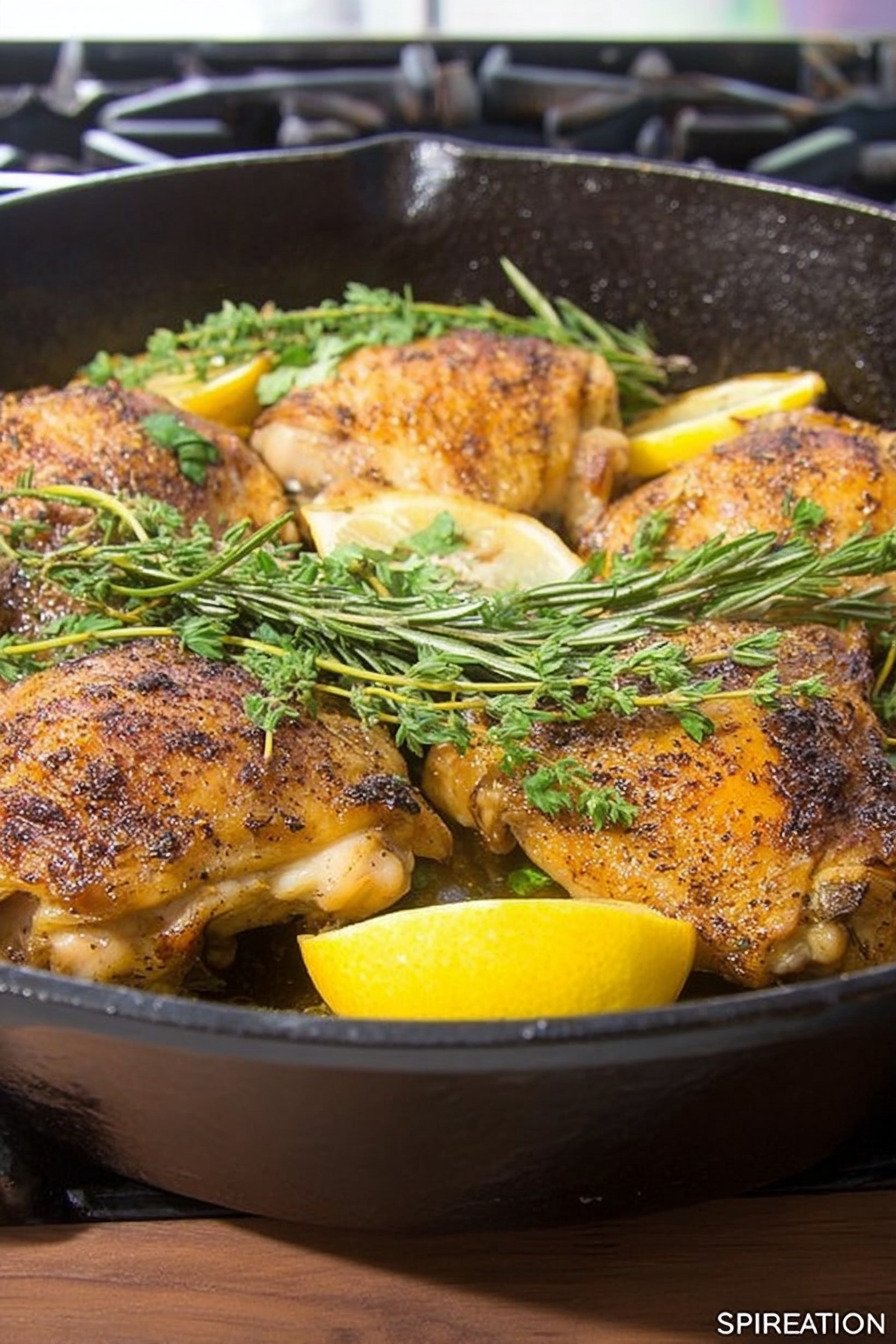
Most oven roasted chicken thighs fail for a few predictable reasons. The first is wet skin. Chicken naturally holds surface moisture, and if that moisture is not removed, the skin steams in the skillet instead of browning. You can recognize this problem when the skin looks pale, rubbery, or patchy after several minutes in the pan.
The second problem is a pan that is not hot enough. If the oil is only warm, the chicken slowly releases juices before the skin has a chance to set. A smoking-hot skillet creates immediate contact heat, which helps the skin tighten and brown. This is why cast iron works so well here: it holds heat even after the cold chicken hits the pan.
The third failure is moving the chicken too soon. If you try to flip the thighs before the skin has browned, the skin may tear or stick. A properly seared thigh releases more easily from the skillet. That release is a real-world sign that browning is happening correctly.
The fourth issue is adding delicate flavorings too early. Fresh thyme, rosemary, and lemon are wonderful, but they can burn if they sit in smoking-hot oil for the full sear. Adding them after the chicken is flipped lets them perfume the pan during roasting without turning bitter.
The fifth problem is guessing doneness by color alone. Chicken can look golden outside while still needing time near the bone. The safest checkpoint is the thickest part reaching 165 degrees F, followed by a short rest so the juices settle instead of running out immediately.
5) Ingredients for Oven Roasted Chicken Thighs
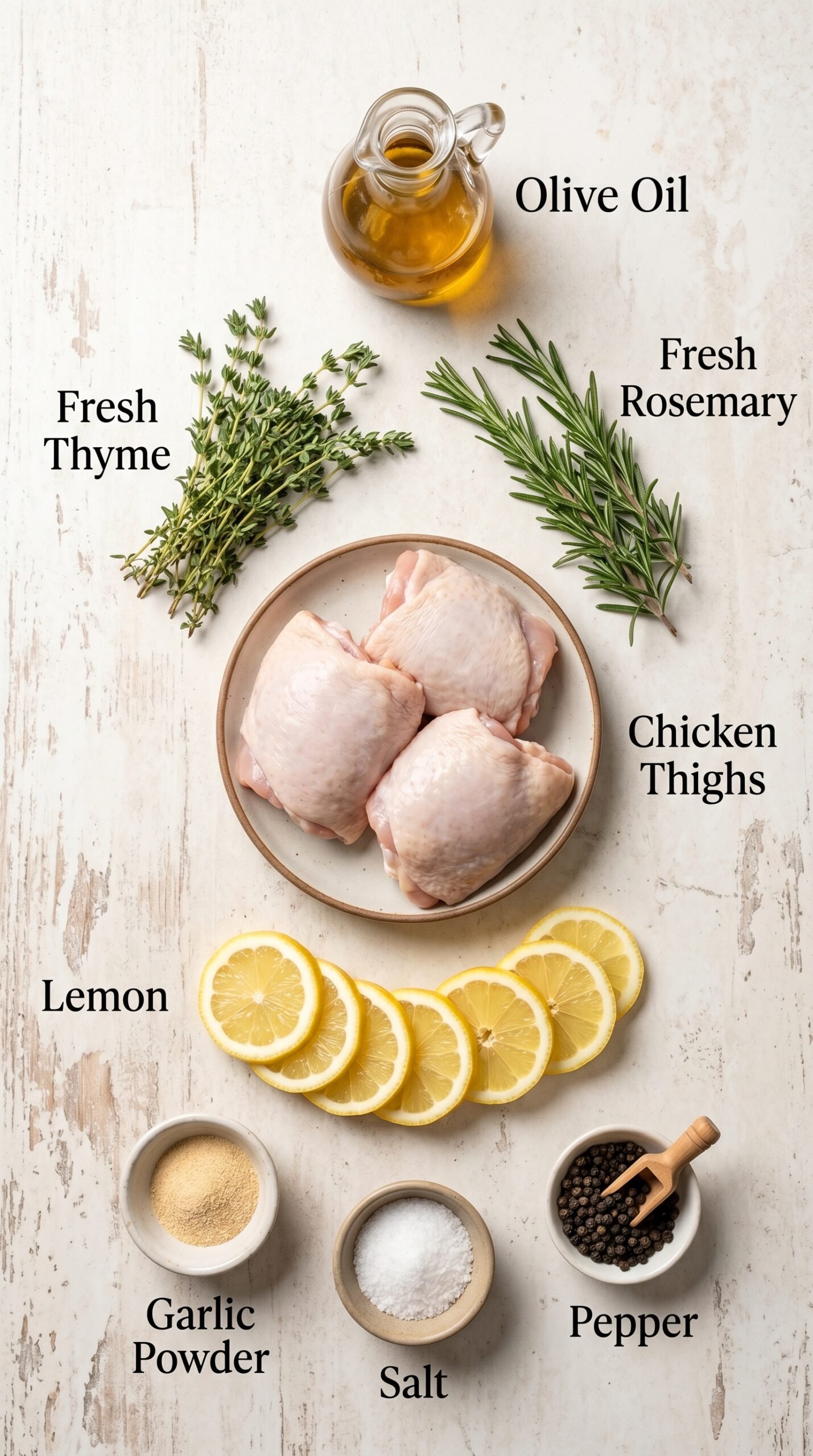
Olive oil: Olive oil helps transfer heat from the cast iron skillet to the chicken skin. Add it only after the skillet is heating, then wait until it shimmers and lightly smokes. If the oil is not hot enough, the skin may absorb oil before it browns.
Bone-in chicken thighs: Bone-in thighs are ideal for this method because they stay juicy while the skin crisps. Use 6 large thighs or 8 to 10 smaller ones. If you switch to roasted chicken thighs boneless skinless, the cooking time will be shorter and the result will not have the same crisp skin.
Fresh thyme: Thyme adds a savory, slightly earthy aroma that pairs well with browned chicken fat. Add the sprigs after searing so the leaves scent the pan without burning during the hottest part of the process.
Fresh rosemary: Rosemary brings a stronger piney aroma, so whole sprigs are better than chopped rosemary here. Whole sprigs flavor the pan gently and are easy to move aside before serving.
Lemon slices: Lemon brightens the richness of the chicken thighs and adds fragrance to the pan juices. Sliced rounds work better than juice at the beginning because they roast gently and do not make the skin wet before searing.
Garlic powder: Garlic powder gives the chicken a savory base without adding moisture. Fresh minced garlic can burn during the sear, so powder is the better choice for direct contact with high heat.
Salt and pepper: Salt seasons the surface and helps the chicken taste fully seasoned near the skin. Black pepper adds warmth and a light bite. Season generously before searing because the crust is where much of the flavor begins.
- Bone-in thighs vs boneless thighs: Bone-in thighs cook a little more slowly but stay juicier. Boneless thighs cook faster but need closer timing to avoid dryness.
- Fresh herbs vs dried herbs: Fresh sprigs handle the oven finish well and give aroma without gritty texture. Dried herbs can work in small amounts, but they may darken quickly in hot oil.
- Garlic powder vs fresh garlic: Garlic powder seasons evenly and does not burn as easily during searing. Fresh garlic is better added later if used as an optional variation.
- Hot skillet vs cold skillet: A hot skillet creates crisp skin quickly. A cold skillet slowly renders moisture and often leaves the chicken soft instead of browned.
6) How to Make Oven Roasted Chicken Thighs
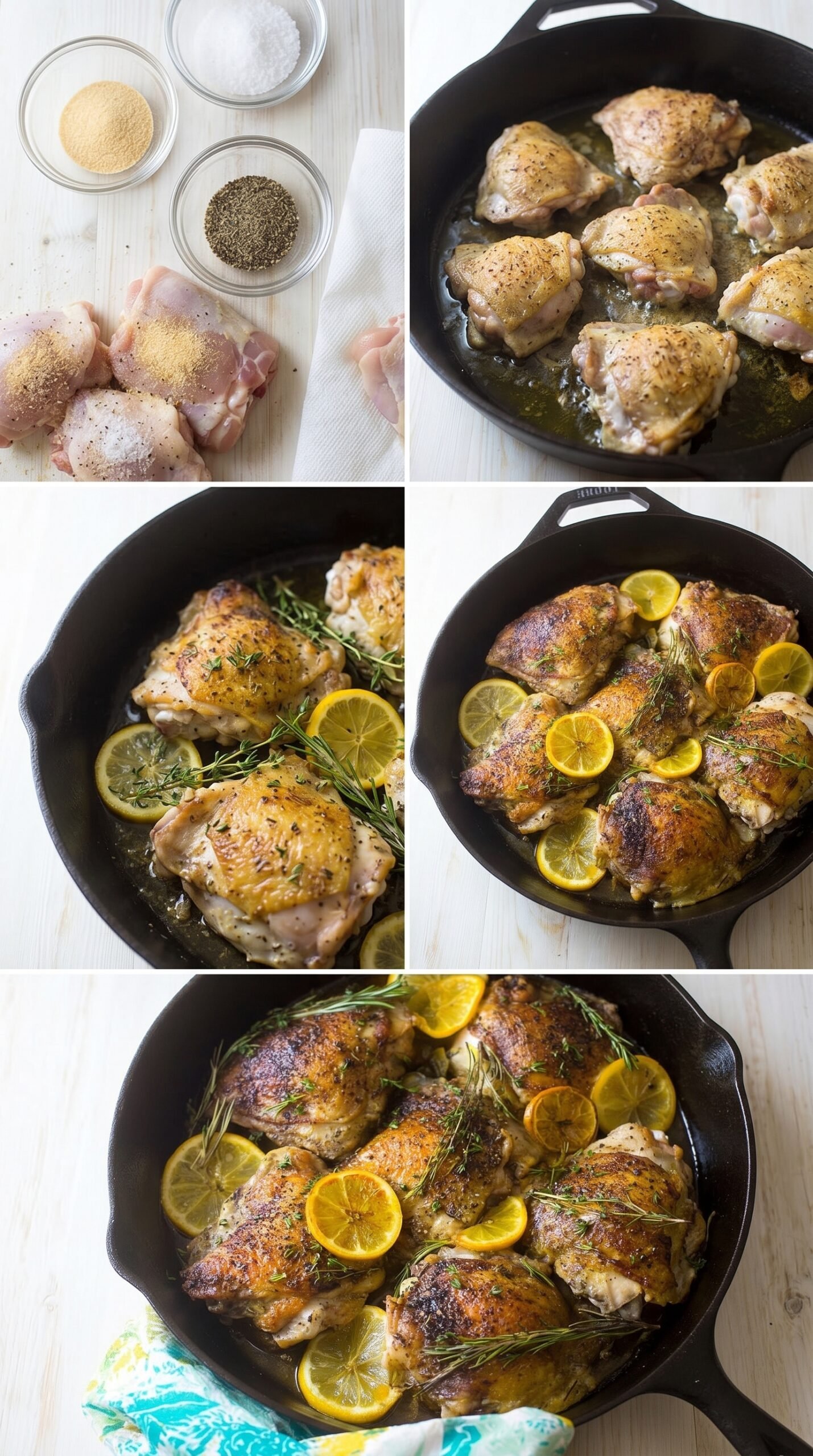
Step 1: Preheat the oven to 450 degrees F and set a 12- to 14-inch cast iron skillet over medium-high heat. Add the olive oil and let it heat until the surface looks glossy and lightly smoking. That visual cue tells you the pan is ready for browning.
Step 2: Pat the chicken thigh skin dry with paper towels. Be thorough, especially around the folds of skin. Sprinkle the thighs with garlic powder, then season generously with salt and ground black pepper. If the skin still feels damp, pause and blot again before searing.
Step 3: Place the thighs in the skillet skin side down once the oil is smoking hot. Let them sear for 5 to 7 minutes without constant lifting. The skin should turn golden-brown and begin to release from the skillet more easily.
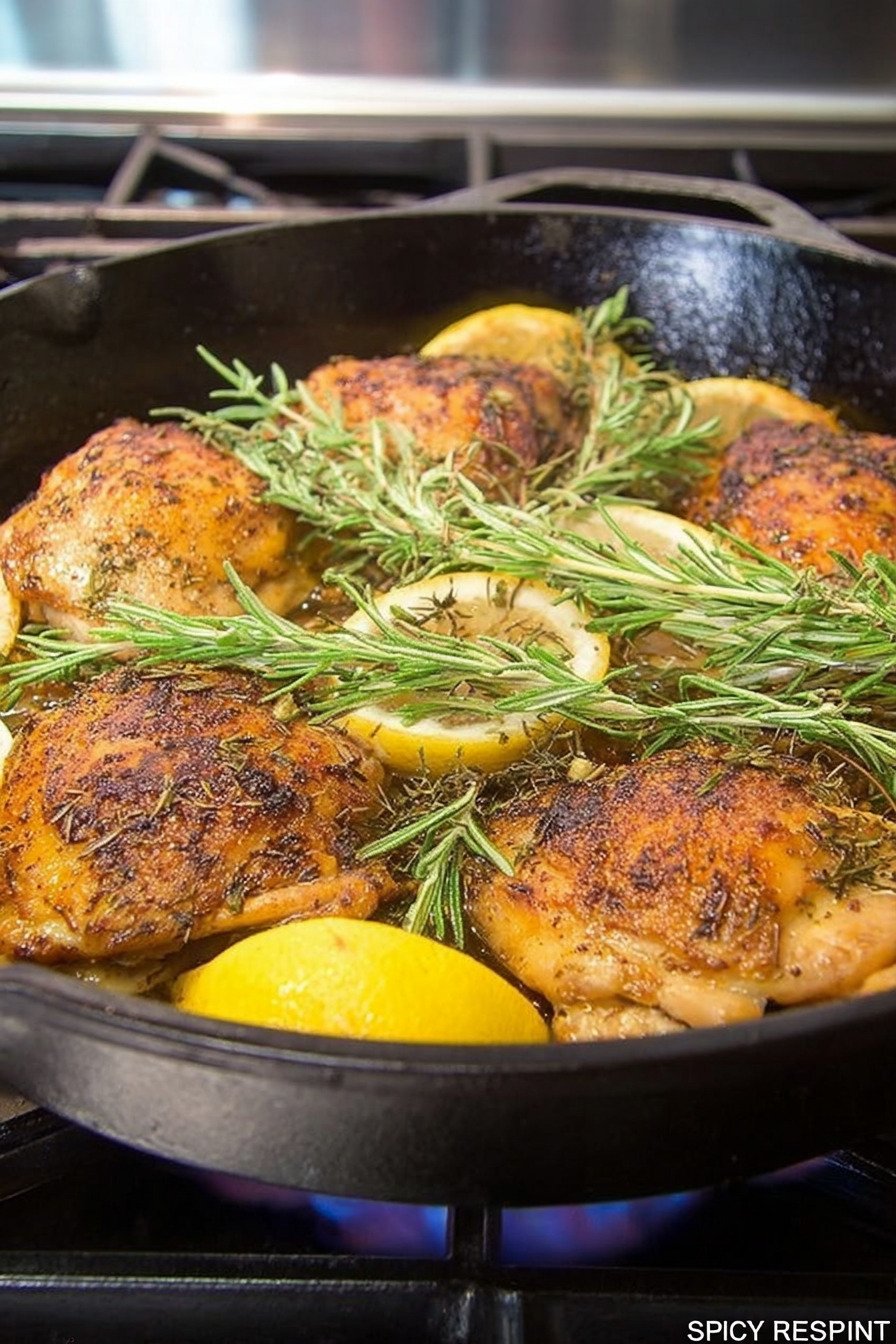
Step 4: Flip the chicken thighs so the skin side faces up, then add the fresh thyme, rosemary, and lemon slices around the chicken. The herbs should sizzle gently in the pan juices, not blacken immediately.
Step 5: Move the entire skillet into the oven and roast for 15 to 18 minutes. The chicken should be cooked through, juicy near the bone, and fragrant with lemon and herbs. Serve warm after a brief rest so the juices stay in the meat.
7) Recipe Card: Oven Roasted Chicken Thighs
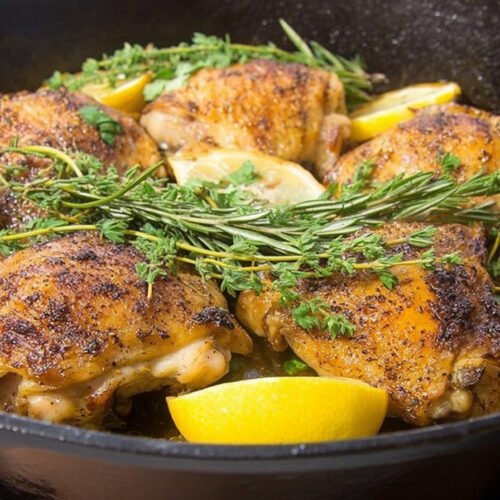
Oven Roasted Chicken Thighs with Lemon and Fresh Herbs
Ingredients
- 2 tablespoons olive oil, enough to coat the hot skillet and help the skin brown evenly
- 6 large, bone-in chicken thighs, or 8-10 small, patted very dry so the skin can crisp instead of steam
- 3-5 sprigs fresh thyme, kept whole so the herbs perfume the pan without burning too quickly
- 3-5 sprigs fresh rosemary, kept on the stem for bold roasted aroma
- 1 lemon, sliced into rounds, for bright pan flavor and gentle acidity
- 1/2 teaspoon garlic powder, sprinkled evenly for savory depth without adding wetness to the skin
- salt and pepper, used generously to season the chicken surface before searing
Instructions
- Preheat the oven to 450 degrees F. Place a 12- to 14-inch cast iron skillet over medium-high heat on the stovetop, then add the olive oil and let it heat until it shimmers and just begins to smoke.
- Pat the chicken thigh skin completely dry with paper towels. Sprinkle the thighs evenly with garlic powder, then season generously with salt and ground black pepper, making sure the skin side is well coated.
- When the oil is smoking hot, carefully place the chicken thighs in the skillet skin side down. Sear for 5-7 minutes without moving them too much, until the skin turns deep golden-brown and releases more easily from the pan.
- Flip the chicken thighs over so the skin faces up. Add the fresh thyme, rosemary, and lemon slices around the chicken, letting them touch the hot oil and pan juices for aroma.
- Transfer the entire skillet to the oven and roast for 15-18 minutes, or until the chicken is cooked through and the juices run clear. For best texture, check that the thickest part reaches 165 degrees F, then rest briefly before serving warm.
8) Tips for Making Oven Roasted Chicken Thighs
Start with chicken that is as dry as possible. I know it feels like a small detail, but it changes the whole result. Skin with surface moisture cannot brown properly until the water evaporates, and by then the meat may already be releasing juices into the pan.
Use a skillet large enough to hold the thighs without crowding. If the pieces touch too tightly, steam gets trapped between them. That steam softens the skin and slows browning. A 12- to 14-inch cast iron skillet gives the chicken enough contact with the pan while leaving room for herbs and lemon.
Let the chicken sear without fussing. The urge to peek is real, but lifting too early can tear the skin. After several minutes, the skin should be more willing to release. That is usually a sign that the crust has formed.
For baked bone in chicken, use internal temperature as your final checkpoint. The skin color tells you about browning, not necessarily doneness near the bone. Aim for 165 degrees F in the thickest part, avoiding direct contact with the bone when checking.
Rest the chicken before serving. Even a few minutes helps the juices settle. Cutting or serving immediately can cause the juices to run out, especially with high-heat roasting.
9) Common Mistakes & Fixes
Problem: The skin is rubbery instead of crisp. Cause: The chicken skin was wet, the skillet was not hot enough, or the pan was crowded. Fix: Dry the skin thoroughly, wait for the oil to lightly smoke, and leave space between the thighs.
Problem: The skin sticks and tears. Cause: The chicken was moved before the crust formed. Fix: Let the thighs sear undisturbed for 5 to 7 minutes and use a thin spatula only when the skin has browned enough to release.
Problem: The herbs taste bitter. Cause: Fresh herbs were exposed to the hottest oil for too long. Fix: Add thyme and rosemary after flipping the chicken, just before the skillet goes into the oven.
Problem: The chicken tastes flat. Cause: The salt was too light or uneven. Fix: Season the skin generously before searing, since the browned surface carries much of the final flavor.
Problem: The meat is dry. Cause: The thighs roasted too long after searing. Fix: Start checking near the lower end of the oven time, especially if the thighs are small, and rest them briefly before serving.
10) How to Tell Oven Roasted Chicken Thighs Are Done
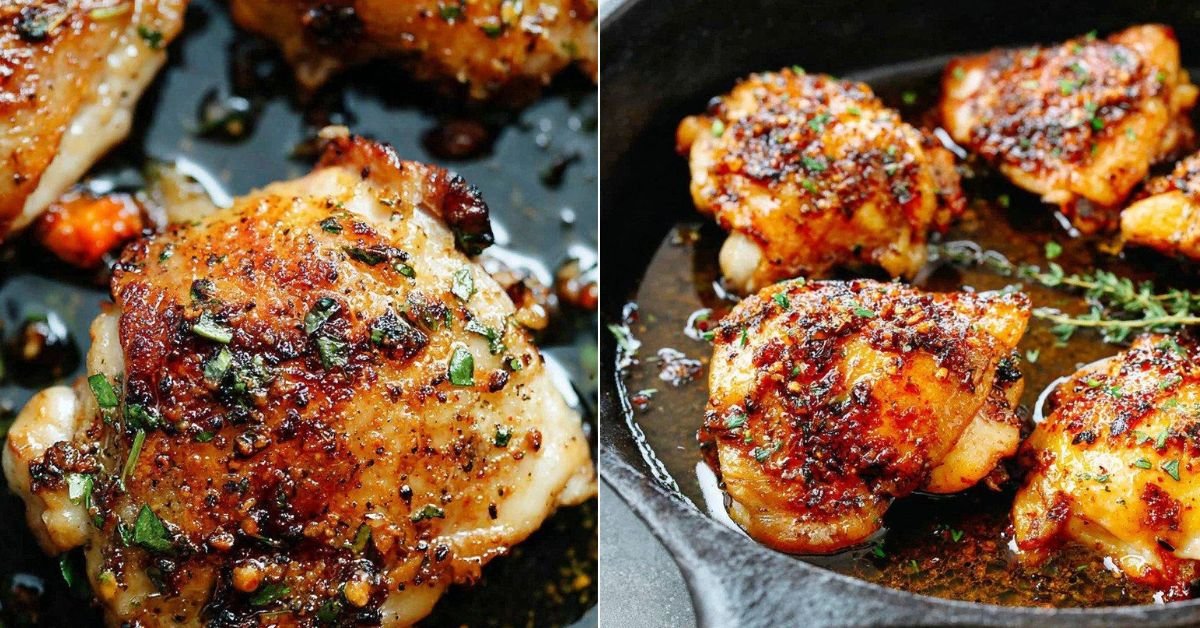
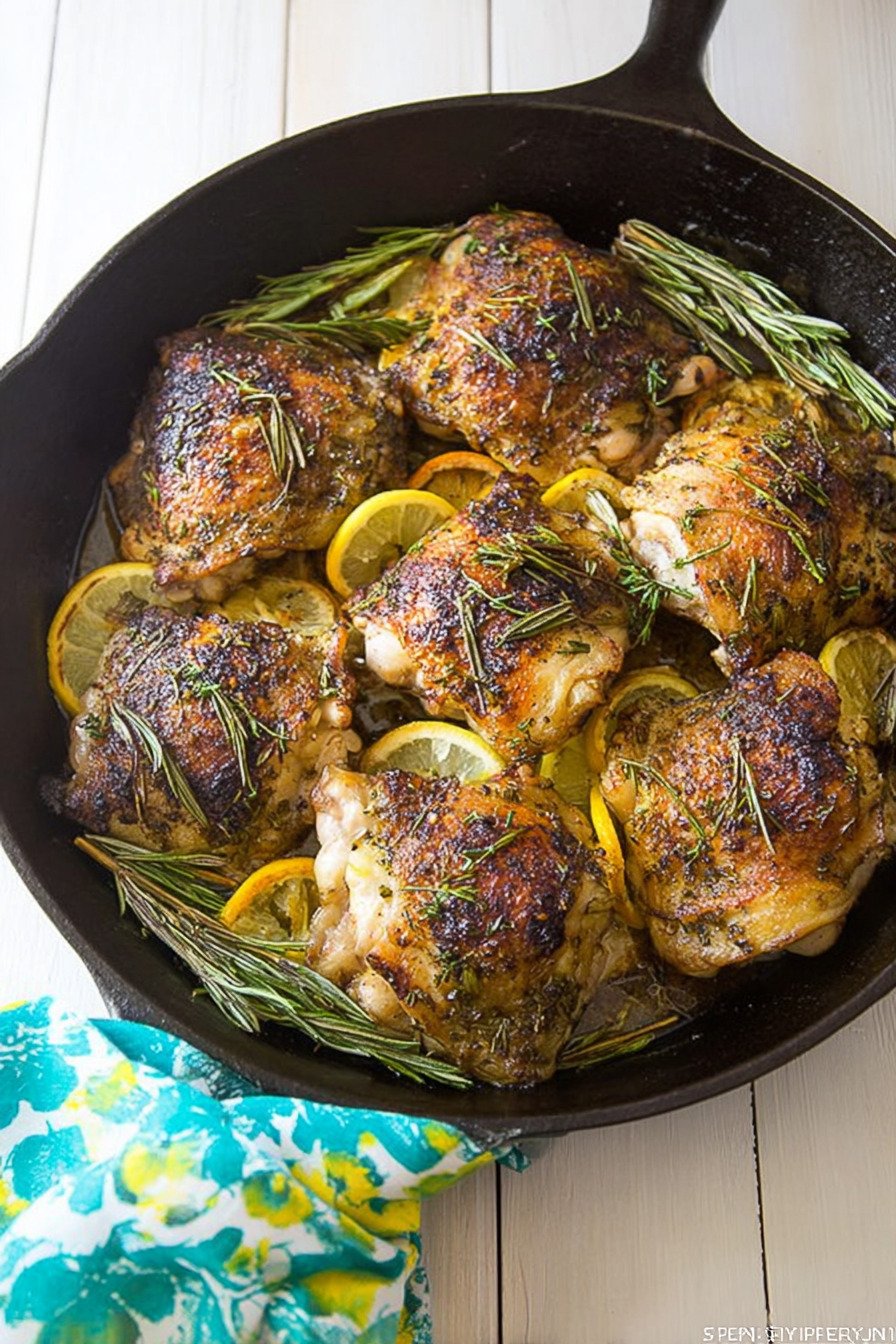
Oven roasted chicken thighs are done when the skin is golden-brown, the edges look crisp, and the meat near the bone is no longer undercooked. Visually, the skin should look tight and lightly blistered in spots, not pale or flabby. The lemon slices should be softened, and the herbs should smell fragrant rather than burnt.
The most reliable doneness cue is temperature. The thickest part of the thigh should reach 165 degrees F. Avoid touching the thermometer to the bone because bone can distort the reading. The juices should run clear, and the meat should feel tender when pierced.
The texture should be juicy, not bouncy or dry. If the skin looks shiny and soft, the pan may not have been hot enough during searing. If the herbs are blackened and the chicken smells harsh, the aromatics may have burned. If the chicken tastes underseasoned, add a small finishing pinch of salt while it is still warm.
11) Professional Secrets Behind Better Oven Roasted Chicken Thighs
The first professional habit is controlling surface moisture. Restaurants often dry proteins before searing because browning needs heat, not steam. At home, paper towels do the same job. Dry skin gives the oil a clear path to crisp the surface.
The second secret is heat retention. Cast iron is useful because it does not cool down as quickly when chicken is added. A thin pan can lose heat fast, which delays browning and causes the thighs to release liquid. If using another oven-safe skillet, give it enough time to preheat properly.
The third secret is layering aroma at the right moment. Garlic powder goes on before searing because it can cling to the chicken and season the crust. Fresh herbs and lemon go in after the flip because they are there to perfume the oven stage, not survive the full direct sear.
The fourth secret is restraint. Do not overcomplicate the pan with too many wet ingredients. The beauty of this method is that the chicken fat, olive oil, lemon, thyme, and rosemary create enough flavor when the browning is done correctly.
12) Best Dishes or Pairings to Serve With Oven Roasted Chicken Thighs
Oven roasted chicken thighs pair well with sides that can catch the lemon-herb pan juices. Mashed potatoes are a natural choice because the creamy texture balances the crisp skin. Rice, couscous, or orzo also work well because they absorb the savory juices without competing with the herbs.
For vegetables, try roasted carrots, green beans, asparagus, Brussels sprouts, or a simple sheet pan mix. The chicken already has richness, so a bright salad with cucumber, tomato, or vinegar-based dressing can keep the plate fresh.
For a cozy dinner, serve the thighs with warm bread and a simple vegetable side. For a lighter plate, slice the meat off the bone and serve it over greens with the roasted lemon squeezed lightly over the top.
13) Making Oven Roasted Chicken Thighs Ahead of Time
You can season the chicken a few hours ahead and keep it uncovered or loosely covered in the refrigerator. This helps the surface dry slightly, which improves browning. Do not add lemon slices too early because the acidity can change the texture of the surface if it sits too long.
If cooking fully ahead, roast the chicken until done, cool it, and refrigerate it in a shallow container. The skin will soften in storage, so the best reheating method is uncovered in a hot oven until warmed through. Avoid reheating in a covered dish if crisp skin is your priority because trapped steam softens the surface.
For meal prep, keep the chicken separate from wet sides or sauces. Moisture is the enemy of crisp skin, even after cooking. Add pan juices only when serving or reheating.
14) Storing Leftover Oven Roasted Chicken Thighs
Store leftover oven roasted chicken thighs in an airtight container in the refrigerator for up to 3 days. Let the chicken cool before sealing, but do not leave it sitting out for long. If you trap too much steam while the chicken is hot, the skin will soften quickly.
To reheat, place the thighs on a baking sheet or in an oven-safe skillet and warm uncovered until heated through. A hot oven helps revive the edges better than the microwave. The microwave is convenient, but it softens the skin and can heat unevenly near the bone.
Leftover meat can be pulled from the bone and used in salads, wraps, grain bowls, soups, or quick skillet meals. If the chicken tastes slightly muted after chilling, a squeeze of fresh lemon or a small pinch of salt can wake it back up.
15) FAQ (Real Cooking Questions)
Can I make this with boneless skinless thighs? Yes, but the result will be different. Roasted chicken thighs boneless skinless cook faster and do not develop crisp skin. Start checking earlier and rely on temperature so they do not dry out.
Can I use dried herbs instead of fresh thyme and rosemary? Yes, but use a lighter hand. Dried herbs are more concentrated and can darken in hot oil. Add them after flipping the chicken or sprinkle a small amount around the pan before roasting.
Why do my chicken thighs smoke so much? Some smoke is expected because the skillet and oil need to be hot. Heavy smoke can mean the heat is too high or excess seasoning has fallen into the oil. Use ventilation and adjust the burner slightly if needed.
Do I need to marinate the chicken first? No. This method builds flavor through browning, garlic powder, salt, pepper, herbs, and lemon. A marinade can add flavor, but it also adds surface moisture, so the chicken must be dried well before searing.
How do I know the chicken near the bone is safe? Use a thermometer in the thickest part of the thigh, avoiding the bone. The target is 165 degrees F. If the outside is browned but the inside is not there yet, return the skillet to the oven for a few more minutes.
16) Save This Oven Roasted Chicken Thighs Recipe
If this oven roasted chicken thighs recipe helped you solve the problem of soft skin and dry meat, save it for Sunday dinner, meal prep, or a low-stress family meal. The key reminder is: dry the skin well, sear it hot, then let the oven finish the chicken gently.

17) Conclusion
Great oven roasted chicken thighs are not about adding more ingredients. They are about handling the chicken correctly at each stage. Dry skin, a hot cast iron skillet, patient searing, fresh herbs added at the right moment, and a short oven roast all work together to create crisp skin and juicy meat.
Once you understand why the skin browns, why the pan must be hot, and why the chicken needs a brief rest, this recipe becomes much easier to repeat. The next time chicken thighs are on the menu, you will know exactly what to look for: golden skin, fragrant lemon and herbs, clear juices, and meat that stays tender at the table.
18) Nutrition
Serving Size 1 portion Calories 392 Sugar 0 g Sodium 410 mg Fat 29 g Saturated Fat 7 g Carbohydrates 2 g Fiber 1 g Protein 30 g Cholesterol 155 mg






Leave a Comment