
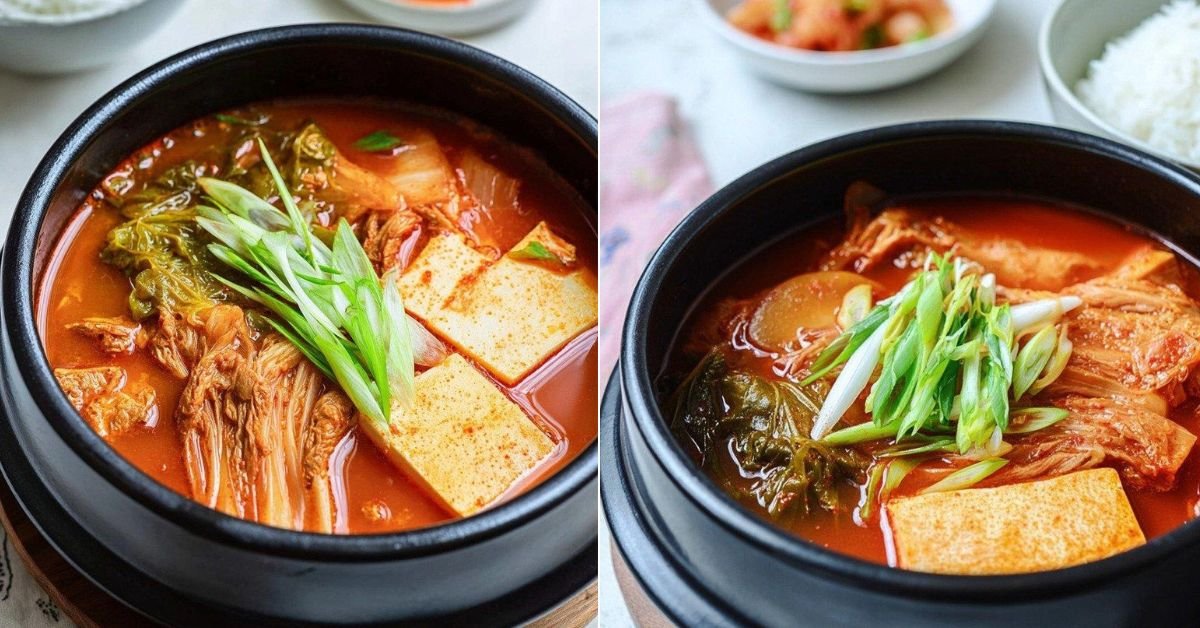
If you love bold, comforting Korean flavors, this kimchi jigae recipe is the kind of meal that warms you from the inside out. With its rich broth, tender pork, and deeply fermented kimchi, this cozy stew delivers everything people love about a classic kimchi jjigae recipe while still being simple enough to make at home on a busy day. It is hearty, savory, and full of the tangy spice that makes every kimchi stew recipe so satisfying. One of the best things about this dish is how it transforms everyday ingredients into something incredibly flavorful. A good kimchi recipe can be used in so many ways, but this stew is one of the most comforting options when you want a true kimchi soup recipe that tastes restaurant-worthy. If you have been collecting kimchi recipe ideas for quick lunches, family dinners, or meal prep, this is a must-make addition to your rotation. This traditional Korean favorite is also a great way to branch out if you already enjoy dishes like a kimchi pancake recipe or other fermented vegetable dishes. The deep, layered flavor of this kimchi jigae recipe pairs beautifully with steamed rice and simple side dishes, making it a reliable and delicious option whenever you crave a warming bowl of homemade comfort.
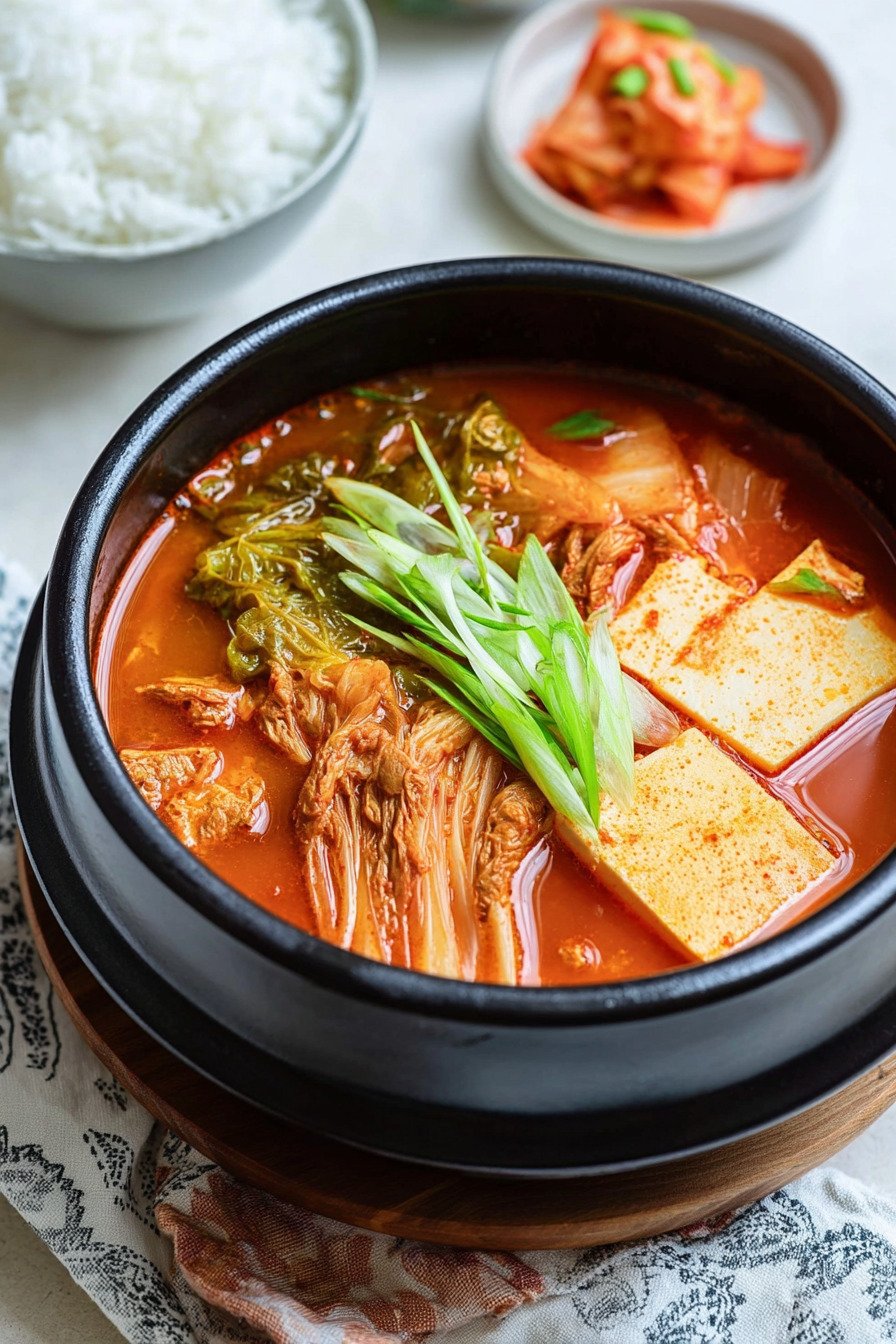
Table of Contents
- Key Takeaways
- Easy Kimchi Jjigae (Kimchi Stew) – Korean Bapsang Recipe
- Ingredients for Kimchi Jjigae (Kimchi Stew) – Korean Bapsang
- How to Make Kimchi Jjigae (Kimchi Stew) – Korean Bapsang
- Tips for Making Kimchi Jjigae (Kimchi Stew) – Korean Bapsang
- MakingKimchi Jjigae (Kimchi Stew) – Korean Bapsang Ahead of Time
- Storing Leftover Kimchi Jjigae (Kimchi Stew) – Korean Bapsang
- Try these main course recipes next!
- Kimchi Jjigae (Kimchi Stew) – Korean Bapsang
- Nutrition
1) Key Takeaways
- This kimchi jigae recipe is packed with bold, comforting Korean flavor and comes together with simple pantry staples.
- It is an excellent all-purpose dish for All Recipes because it works beautifully for family dinners, cozy lunches, or meal prep.
- The combination of tangy kimchi, rich broth, tofu, and pork creates the satisfying depth people expect from a classic kimchi jjigae recipe.
- This warming bowl is a delicious way to explore more kimchi recipe ideas beyond a kimchi pancake recipe or a basic kimchi soup recipe.
2) Easy Kimchi Jjigae (Kimchi Stew) – Korean Bapsang Recipe
There is something incredibly comforting about a bubbling pot of kimchi stew on the stove, especially when you want a meal that feels cozy, bold, and deeply satisfying. This kimchi jigae recipe delivers all of that with a rich, savory broth, tender bites of pork, and soft tofu tucked into every spoonful. It is the kind of dish that turns simple ingredients into a restaurant-worthy meal while still feeling approachable for home cooks.
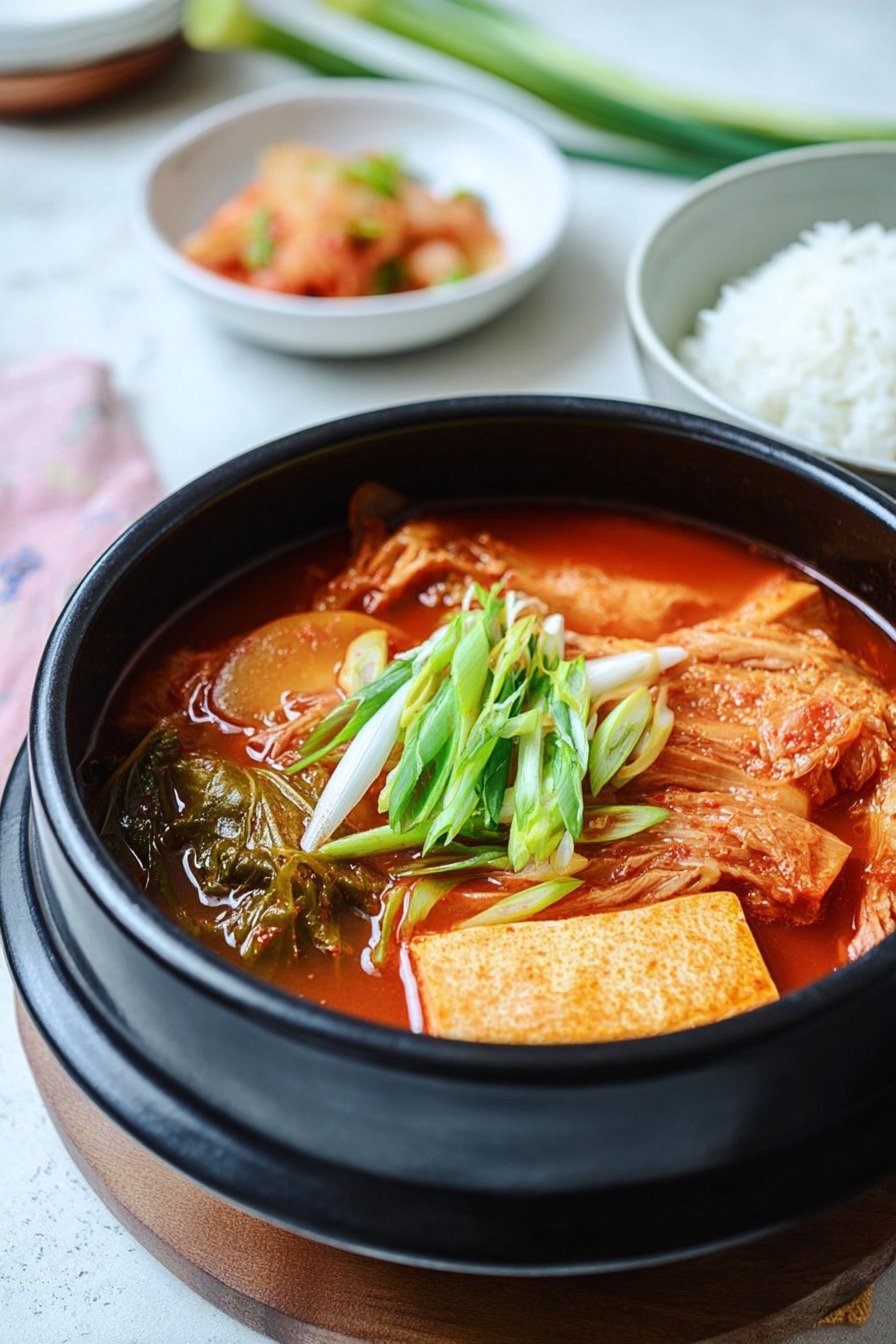
Because this dish fits naturally into All Recipes, it is one of those dependable meals you can make whenever you need a flavorful dinner that stands out from the usual routine. Inspired by the version at https://www.koreanbapsang.com/kimchi-jjigae-kimchi-stew/, this kimchi jjigae recipe brings together the depth of a traditional kimchi stew recipe with the kind of easy, practical method that works well for busy weeknights and slow, cozy weekends alike.
If you already love a good kimchi recipe, a warming kimchi soup recipe, or are always collecting new kimchi recipe ideas, this dish deserves a place in your kitchen. It is hearty enough to serve as a main course, exciting enough to share with guests, and a wonderful next step if you have only tried kimchi in side dishes or even a kimchi pancake recipe before. One bowl of this vibrant stew and you will understand why it is such a beloved Korean classic.
3) Ingredients for Kimchi Jjigae (Kimchi Stew) – Korean Bapsang
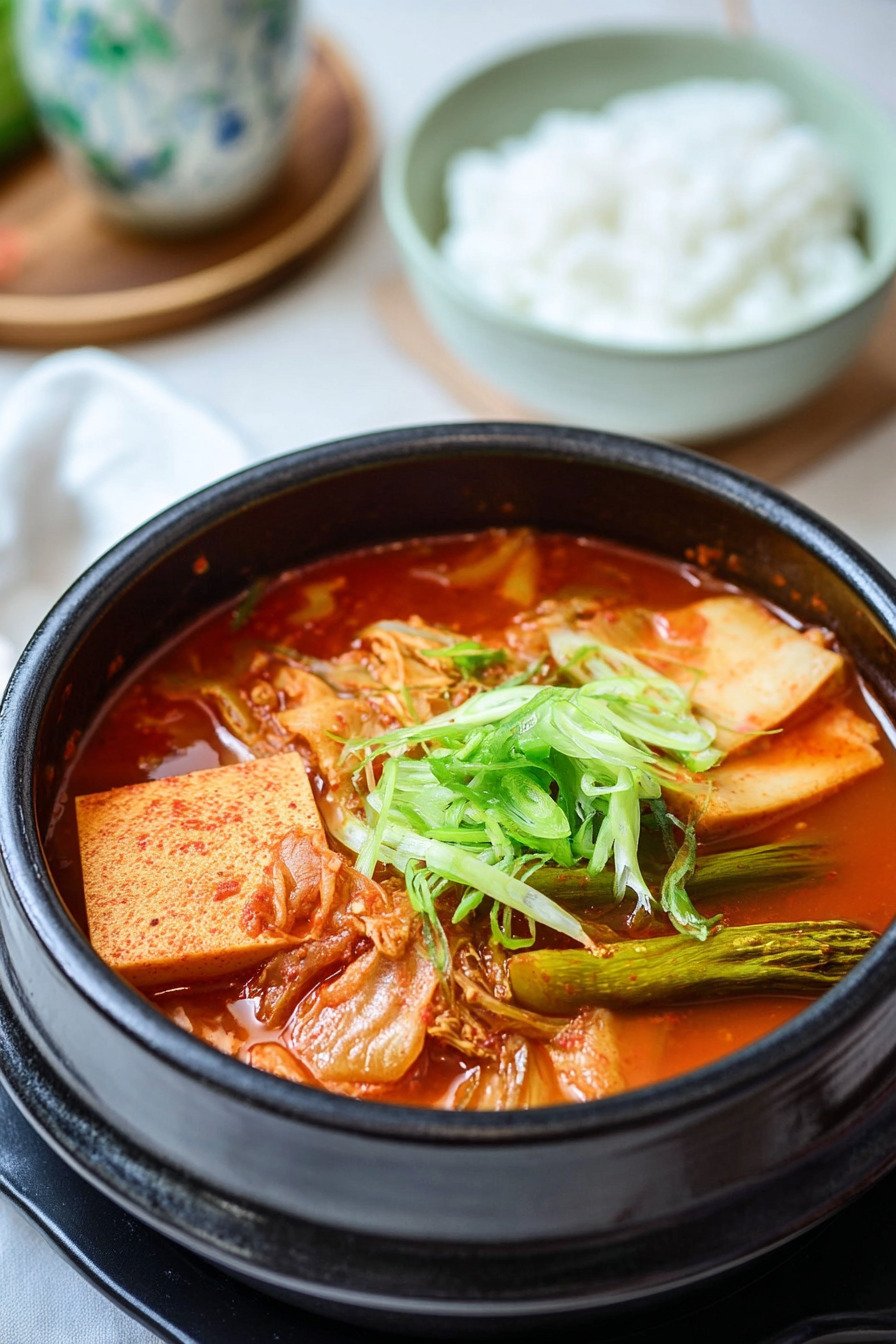
Kimchi Well-fermented kimchi is the heart of this dish and provides the signature tangy, spicy, and deeply savory flavor that defines a great kimchi jigae recipe. Older kimchi works especially well because it creates a richer, more developed stew.
Pork Belly or Pork Shoulder Pork adds body and richness to the broth, making the stew feel hearty and satisfying. The fat from the meat also softens the sharpness of the kimchi and gives the finished dish a luxurious texture.
Tofu Tofu brings a delicate, silky contrast to the bold broth and absorbs all the delicious flavors as it simmers. It is one of the ingredients that makes this kimchi stew recipe feel complete and comforting.
Onion Onion adds a gentle sweetness that balances the acidity and spice of the kimchi. As it cooks down, it helps round out the broth and adds another layer of aromatic flavor.
Garlic Garlic gives the stew warmth and depth, supporting the savory Korean flavor profile without overpowering the kimchi. It is a simple ingredient that makes a big difference in the final taste.
Gochugaru Korean red pepper flakes add color, mild heat, and complexity. They help intensify the stew and give it the classic vibrant red appearance associated with an authentic kimchi jjigae recipe.
Gochujang This fermented chili paste deepens the flavor with a subtle sweetness and a rich umami note. It also helps create a fuller, more rounded broth.
Broth or Stock A good broth ties everything together and gives the stew its comforting, spoonable texture. Anchovy stock is traditional, but chicken broth also works well for a deeply flavorful kimchi soup recipe.
Green Onions Green onions bring freshness and a mild bite that brighten the finished stew. They are especially helpful for balancing the richer elements in the pot.
Soy Sauce and Sesame Oil These two ingredients add seasoning and nutty depth. Together, they help the stew taste more layered and finished, especially in a homemade version.
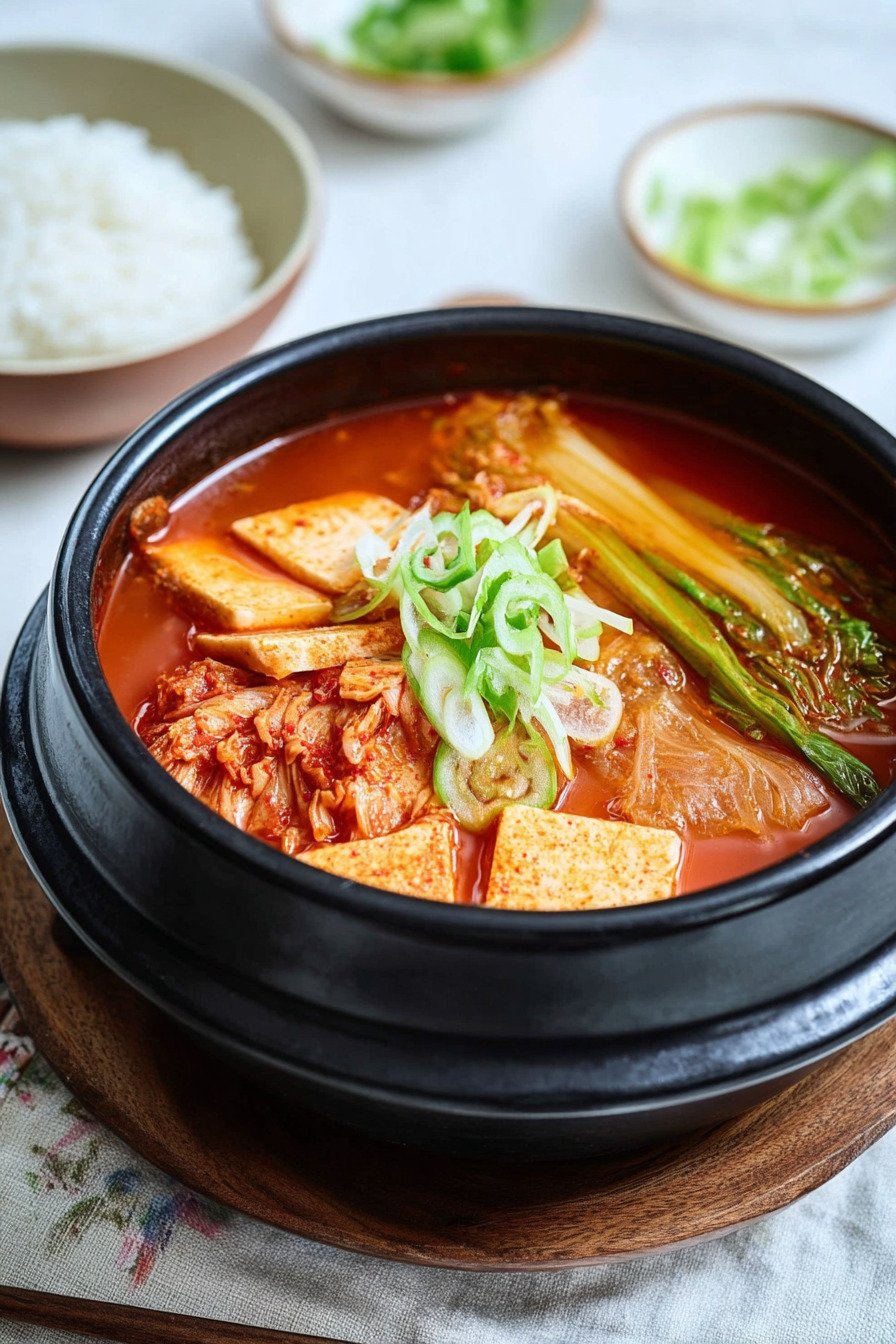
4) How to Make Kimchi Jjigae (Kimchi Stew) – Korean Bapsang
Step 1 Prepare all of your ingredients before you start cooking. Chop the kimchi into bite-sized pieces, slice the pork, cut the tofu, and have your aromatics and seasonings ready to go.
Step 2 Add the pork and kimchi to a pot over medium heat and cook them together for a few minutes. This step helps render some fat from the pork and allows the kimchi to deepen in flavor before the liquid is added.
Step 3 Stir in the onion, garlic, gochugaru, gochujang, soy sauce, and sesame oil. Cook briefly until fragrant so the seasonings bloom and coat the kimchi and pork evenly.
Step 4 Pour in the broth and bring everything to a boil. Once it starts bubbling, reduce the heat and let the stew simmer so the flavors can meld into a rich, savory broth.
Step 5 Add the tofu and green onions during the final part of cooking. Simmer gently until the tofu is heated through and has absorbed some of the flavor from the stew.
Step 6 Taste and adjust the seasoning if needed, then serve the stew hot with steamed rice. The finished dish should be tangy, savory, spicy, and deeply comforting.
5) Tips for Making Kimchi Jjigae (Kimchi Stew) – Korean Bapsang
The most important tip for making an excellent kimchi jigae recipe is to use well-aged kimchi rather than freshly made kimchi. Older kimchi has a stronger sourness and more developed flavor, which gives the stew the depth it needs. If your kimchi is very mild, you can add a little extra gochugaru or gochujang to build more intensity.
Choose your protein based on the style of stew you want. Pork belly gives the broth a richer, fuller texture, while pork shoulder offers a slightly leaner but still flavorful result. If you want a lighter version, you can make the stew with tuna or even keep it vegetarian by using mushrooms and vegetable broth, though the flavor profile will be different from a classic kimchi stew recipe.
Do not rush the simmering process. Even though this dish is fairly simple, giving it enough time to bubble gently helps all of the ingredients come together into one deeply savory broth. Add tofu near the end so it keeps its shape, and always taste before serving because the saltiness of kimchi and broth can vary from batch to batch.
6) MakingKimchi Jjigae (Kimchi Stew) – Korean Bapsang Ahead of Time
This dish is a wonderful make-ahead option because the flavors continue to deepen as it sits. You can prepare the stew base with the kimchi, pork, aromatics, and broth a day in advance, then cool and refrigerate it until you are ready to finish the dish.
When you are ready to serve, reheat the stew gently on the stove and add the tofu and green onions near the end. This keeps the tofu tender and prevents the vegetables from losing their freshness. It is a practical way to enjoy this kimchi soup recipe during a busy week without sacrificing flavor.
You can also prep the individual components ahead of time by chopping the kimchi, slicing the onions, and portioning the seasonings into a small container. That way, everything is ready to go when you want a fast and comforting meal with minimal effort.
7) Storing Leftover Kimchi Jjigae (Kimchi Stew) – Korean Bapsang
Leftover stew should be cooled completely before storing in an airtight container in the refrigerator. It will keep well for up to 3 days, and many people find that the flavor becomes even better on the second day as the broth continues to develop.
To reheat, warm the stew gently on the stovetop over medium-low heat until heated through. You can also use the microwave for individual portions, though the stovetop tends to preserve the texture of the tofu and the overall balance of the broth more effectively.
If you want to freeze it, it is best to freeze the stew without tofu, then add fresh tofu when reheating for the best texture. Leftovers can also be repurposed by serving them over rice, pairing them with noodles, or using a small portion as a flavorful side to other Korean-inspired meals. It is one of those kimchi recipe ideas that keeps giving long after the first serving.
8) Try these main course recipes next!
9) Kimchi Jjigae (Kimchi Stew) – Korean Bapsang
Kimchi Jjigae Recipe – Easy Korean Kimchi Stew
Ingredients
Main Stew Ingredients
- 1 1/2 cups aged napa cabbage kimchi, chopped
- 1/2 pound pork belly or pork shoulder, thinly sliced
- 1/2 small onion, sliced
- 2 green onions, chopped
- 1 block firm tofu, sliced
- 1 tablespoon gochugaru
- 1 tablespoon gochujang
- 1 teaspoon minced garlic
- 1 teaspoon soy sauce
- 1 teaspoon sesame oil
- 3 cups anchovy stock or chicken broth
- 1/2 teaspoon sugar
- Salt to taste
- Black pepper to taste
Optional Garnish and Serving
- Steamed white rice
- Extra green onions
- Sesame seeds
Instructions
Prep
- Chop the kimchi into bite-sized pieces, slice the pork, onion, and tofu, and chop the green onions.
- Measure the gochugaru, gochujang, garlic, soy sauce, sesame oil, and broth so everything is ready before cooking.
Cook the Stew
- Add the kimchi and pork to a medium pot over medium heat and cook for 4 to 5 minutes until the pork begins to brown and the kimchi softens.
- Stir in the onion, gochugaru, gochujang, garlic, soy sauce, sesame oil, and sugar, and cook for 1 minute until fragrant.
- Pour in the anchovy stock or chicken broth and bring the mixture to a boil.
- Reduce the heat and simmer for 20 to 25 minutes so the flavors deepen and the broth becomes rich and savory.
- Add the tofu and half of the green onions, then simmer for another 5 minutes.
- Taste and adjust with salt and black pepper if needed.
Serve
- Ladle the stew into bowls and top with the remaining green onions and sesame seeds if desired.
- Serve hot with steamed white rice and your favorite Korean side dishes.
10) Nutrition
Serving Size 1 portion Calories 320 Sugar 5 g Sodium 980 mg Fat 19 g Saturated Fat 6 g Carbohydrates 10 g Fiber 3 g Protein 24 g Cholesterol 48 mg


Leave a Comment