
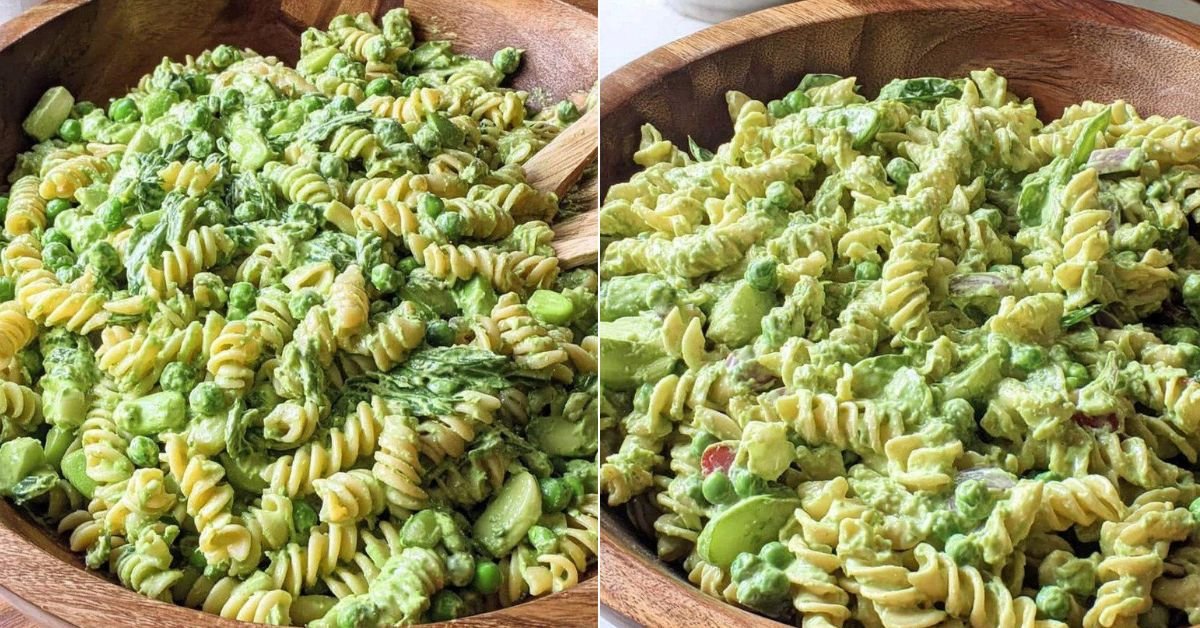
1) What I Learned Testing This Green Goddess Pasta Salad
Watery pasta salad is the fastest way to ruin a fresh lunch bowl. I’m Denise, and my first try at green goddess pasta salad looked bright at first, then turned dull, loose, and under-seasoned after chilling. After testing the dressing thickness, cooling the pasta properly, and adjusting lemon and salt after tossing, I discovered the real fix: a creamy dressing that clings without drowning the vegetables. This creamy green goddess pasta salad gives me that calm, ready-for-lunch feeling I want from a healthy veggie pasta salad: crisp cucumber, sweet peas, salty feta, and a herby dressing that actually stays flavorful.
Table of Contents
- 1) What I Learned Testing This Green Goddess Pasta Salad
- 2) Key Takeaways
- 3) Easy Green Goddess Pasta Salad Recipe
- 4) Why Most Green Goddess Pasta Salad Recipes Fail
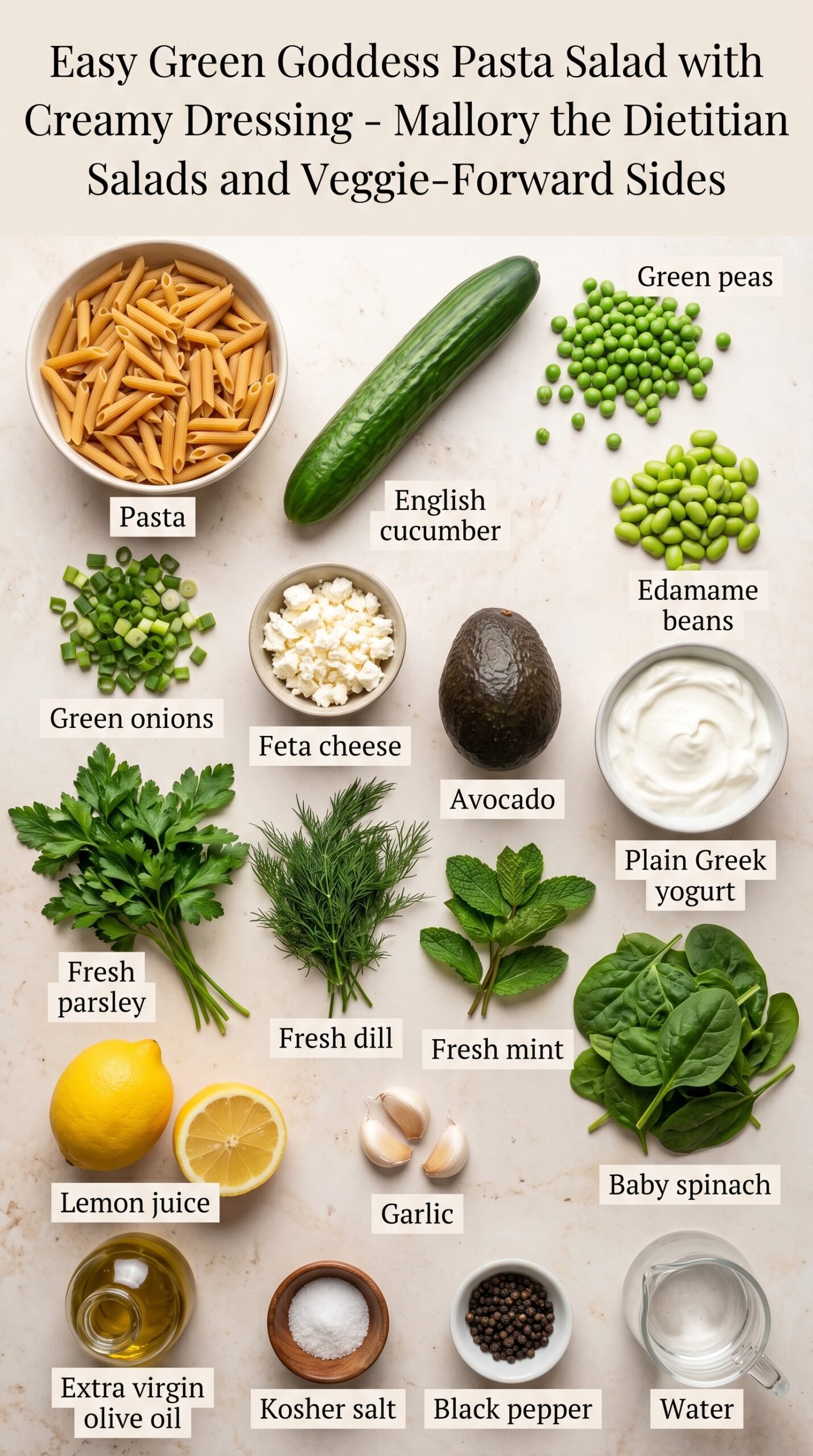
- 5) Ingredients for Green Goddess Pasta Salad
- 6) How to Make Green Goddess Pasta Salad
- 7) Recipe Card: Green Goddess Pasta Salad
- 8) Tips for Making Green Goddess Pasta Salad
- 9) Common Mistakes & Fixes
- 10) How to Tell Green Goddess Pasta Salad Has the Right Texture
- 11) Professional Secrets Behind Better Green Goddess Pasta Salad
- 12) Best Dishes or Pairings to Serve With Green Goddess Pasta Salad
- 13) Making Green Goddess Pasta Salad Ahead of Time
- 14) Storing Leftover Green Goddess Pasta Salad
- 15) FAQ (Real Cooking Questions)
- 16) Save This Green Goddess Pasta Salad Recipe
- 17) Conclusion
- 18) Nutrition
2) Key Takeaways
- Rinse the pasta under cold water right after draining so it stops cooking and holds a firmer salad texture.
- Blend the green goddess dressing until completely smooth, then thin it slowly so it coats the pasta instead of sliding off.
- Add lemon and salt after tossing because chilled pasta and Greek yogurt both mellow the flavor.
- For the best make-ahead texture, add the cucumber, feta, and dressing shortly before serving.
3) Easy Green Goddess Pasta Salad Recipe
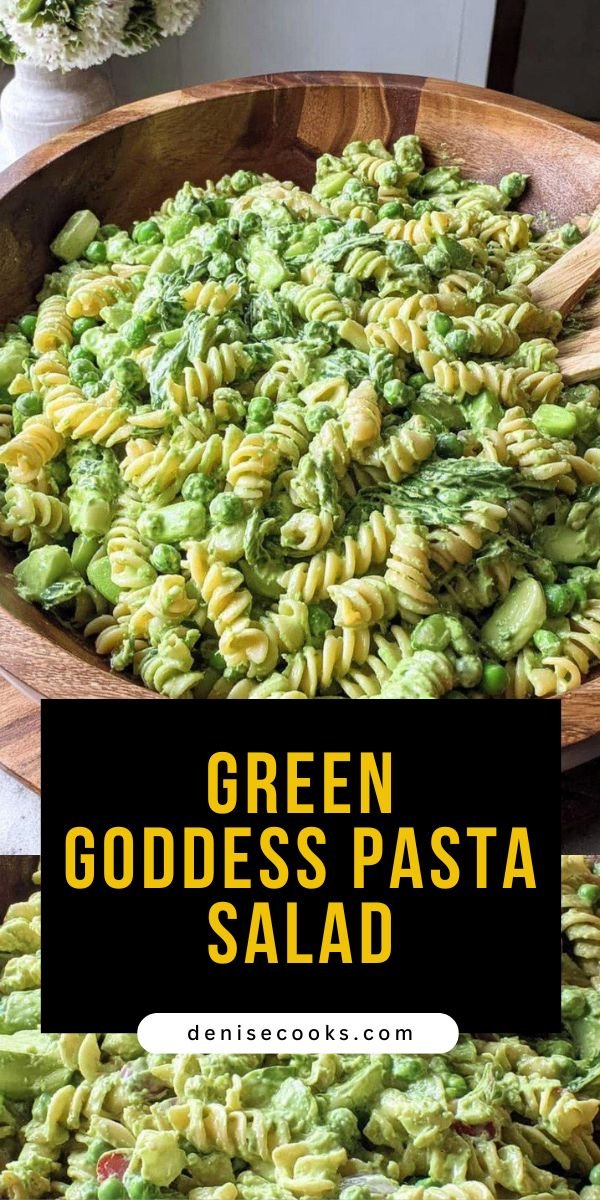
This green goddess pasta salad works because it treats pasta salad like a texture recipe, not just a toss-everything-in-a-bowl recipe. The pasta needs to be cooked just shy of soft, cooled quickly, and coated with a dressing thick enough to cling. The vegetables bring crunch, sweetness, and freshness, while the feta adds a salty finish that keeps the herbs from tasting flat.
The dressing is the real anchor. Avocado gives body, Greek yogurt gives tang and creaminess, and the fresh parsley, dill, mint, and spinach build that bright green flavor people expect from green goddess recipes. Lemon juice sharpens everything, garlic adds bite, and a small amount of olive oil rounds the edges without making the salad heavy.
4) Why Most Green Goddess Pasta Salad Recipes Fail
Most green goddess pasta salad problems come from moisture control. If the pasta is not cooled quickly, it keeps cooking from residual heat and turns soft. If the peas, edamame, or cucumber carry too much water, the dressing loosens and pools at the bottom of the bowl instead of coating the pasta.
Another common failure is a dressing that is too thin from the start. Avocado and Greek yogurt create a creamy healthy pasta salad dressing, but water should be added only after blending. When too much water goes in early, the herbs taste muted and the dressing becomes more like a pourable sauce than a clingy pasta salad coating.
Flat flavor is also common. Cold pasta needs more seasoning than warm pasta because chilling dulls salt and acidity. That is why the final squeeze of lemon and last pinch of salt matter. They wake up the herbs, balance the feta, and keep the salad tasting fresh instead of bland.
The last mistake is adding delicate ingredients too early. Cucumber releases water, feta softens, and the dressing thickens as it sits. This method prevents sogginess by keeping the most fragile components fresh when making the salad ahead.
5) Ingredients for Green Goddess Pasta Salad
Dry pasta: Pasta gives the salad its structure. Chickpea pasta works well if you want extra protein and a slightly firm bite, but any short pasta should be cooked carefully so it does not turn mushy after chilling.
English cucumber: Cucumber adds cool crunch and freshness. Dice it small so every forkful has texture. If it is very watery, pat it dry before adding it to keep the dressing creamy.
Green peas: Peas bring gentle sweetness and a soft pop. Thaw them under cool or slightly warm water, then drain them well so they do not dilute the dressing.
Edamame beans: Edamame is optional, but it makes this a more satisfying veggie loaded pasta salad with extra texture and plant-based protein. Drain well before adding.
Green onions: Green onions add a mild onion flavor without overpowering the herbs. Add them after the pasta cools so they stay crisp and fresh.
Feta cheese: Feta gives salty contrast and creamy little pockets throughout the salad. Add it close to serving time if you want the cleanest texture.
Avocado: Avocado gives the dressing body and helps it cling to the pasta. A ripe avocado blends smoother; an underripe one can make the dressing taste grassy and slightly chalky.
Plain Greek yogurt: Greek yogurt creates tangy creaminess and keeps the dressing lighter than a mayonnaise-based version. Full-fat yogurt tastes richer, while lower-fat yogurt gives a sharper tang.
Fresh parsley, dill, mint, and baby spinach: These greens build the signature green goddess flavor. Parsley adds freshness, dill adds grassy brightness, mint cools the flavor, and spinach deepens the color without taking over.
Lemon juice, garlic, olive oil, salt, pepper, and water: These ingredients control balance. Lemon brightens, garlic adds bite, olive oil rounds the dressing, salt sharpens the herbs, pepper adds warmth, and water adjusts thickness only when needed.
- Short pasta vs long pasta: Short shapes hold dressing and vegetables better, while long noodles make the salad harder to toss evenly.
- Thick dressing vs thin dressing: A thick dressing clings to the pasta; a thin dressing sinks and leaves the salad tasting watery.
- Fresh herbs vs dried herbs: Fresh herbs are essential here because dried herbs cannot create the same green color or lively flavor.
- Adding cucumber early vs later: Early cucumber adds convenience, but later cucumber keeps the salad crisper and less watery.
6) How to Make Green Goddess Pasta Salad
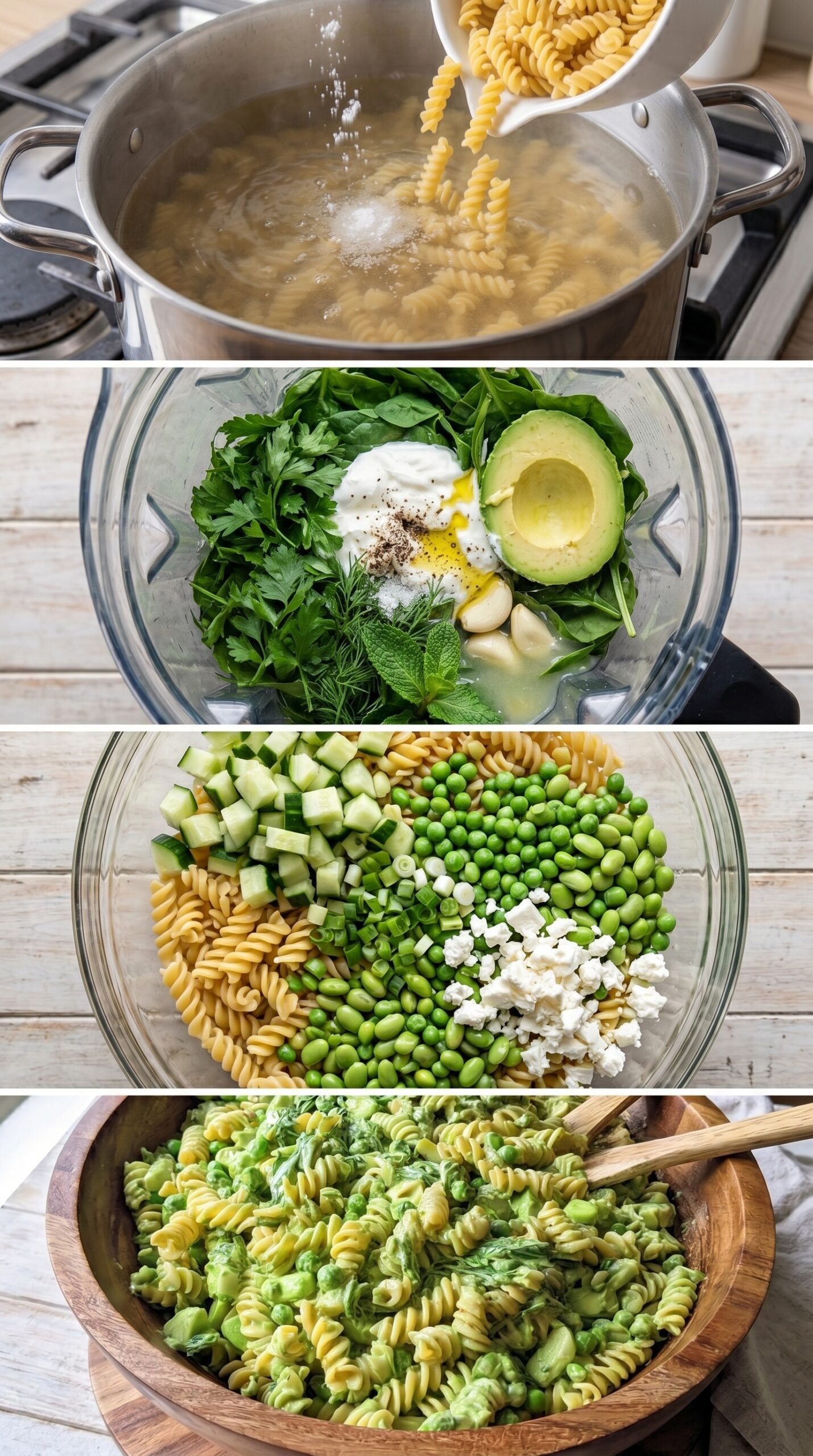
Step 1: Cook the pasta in a large pot of salted water according to the package directions. For a firmer salad bite, stop 1 to 2 minutes early. Drain it, then rinse under cold water right away so the pasta cools quickly and does not keep softening.
Step 2: While the pasta cooks, prepare the dressing. Remove the avocado skin and pit, then blend it with Greek yogurt, parsley, dill, mint, spinach, lemon juice, garlic, olive oil, salt, pepper, and a little cold water. Blend until the herbs are fully broken down and the dressing looks smooth and green.
Step 3: Thin the dressing gradually. Start with less water, then add more only if the blender needs help or the dressing feels too thick to coat the pasta. The goal is creamy and spoonable, not runny.
Step 4: Thaw the peas and edamame under cool or slightly warm running water. Drain them well, then combine the cooled pasta, cucumber, peas, edamame, green onions, and feta in a large bowl.
Step 5: Pour the dressing over the salad and toss until everything is evenly coated. Taste before serving, then add more lemon and salt if the salad needs brightness. Stop tossing once coated so the pasta stays intact and the feta does not break down too much.
7) Recipe Card: Green Goddess Pasta Salad
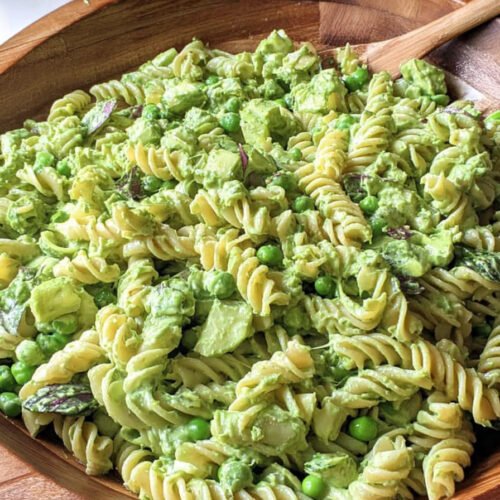
Easy Green Goddess Pasta Salad with Creamy Dressing
Ingredients
- 8 oz pasta, dry, such as chickpea pasta for extra protein and a firm bite
- ½ an English cucumber, diced into small pieces (~1½ cups), added for cool crunch
- 1 cup green peas, thawed so they blend smoothly into the salad
- ½ cup edamame beans, shelled (optional), for extra texture and plant-based protein
- 3-4 green onions, chopped (~¼ cup), for a mild onion bite
- ½ cup feta cheese, crumbled, added for salty creaminess
- 1 small avocado (or ½ medium), ripe enough to blend smoothly
- 1 cup plain Greek yogurt, for a tangy and creamy dressing base
- 1 cup fresh parsley, loosely packed, stems mostly removed for a cleaner texture
- ½ cup fresh dill, loosely packed, for fresh grassy flavor
- ½ cup fresh mint, loosely packed, for a cooling herb note
- 1 cup baby spinach, packed lightly to boost color and freshness
- 3-4 tablespoon lemon juice, adjusted to taste for brightness
- 2 cloves garlic, peeled so they blend evenly into the dressing
- 1 teaspoon extra virgin olive oil, to round out the dressing
- ½ teaspoon kosher salt, more to taste after tossing
- pinch black pepper, freshly cracked if possible
- 2-4 tablespoon water, added gradually to thin the dressing as needed
Instructions
- Cook the pasta in a large pot of salted boiling water according to the package directions, using about 1 tablespoon salt in the water for better flavor. For a firmer salad texture, cook it 1-2 minutes less than the package suggests. Drain, then rinse immediately under cold water to stop the cooking and cool the pasta completely.
- While the pasta cooks, make the dressing. Slice the avocado in half, remove the pit and skin, then add the avocado, Greek yogurt, parsley, dill, mint, spinach, lemon juice, garlic, olive oil, kosher salt, black pepper, and 2 tablespoons water to a blender or food processor. Blend until smooth, adding more cold water 1 tablespoon at a time until the dressing is creamy but pourable.
- Thaw the peas and edamame under cool or slightly warm running water, then drain well so they do not water down the salad. Add the cooled pasta, diced cucumber, peas, edamame, green onions, and crumbled feta cheese to a large mixing bowl.
- Pour the green goddess dressing over the salad and toss until every piece of pasta and vegetable is evenly coated. Taste and add an extra squeeze of lemon and more salt if needed. If making the salad ahead, keep the dressing, cucumber, and feta separate and add them right before serving to preserve the freshest texture.
- For the best texture, rinse the pasta with cold water as soon as it is drained. This cools it quickly, stops carryover cooking, and helps prevent a soft or sticky pasta salad.
8) Tips for Making Green Goddess Pasta Salad
The most important texture tip is to cool the pasta fast. Hot pasta absorbs dressing differently and can make the yogurt-avocado mixture loosen. Cold rinsing also removes surface starch, which is useful in a pasta salad because it keeps the noodles from sticking together in clumps.
Salt the pasta water even though most of it gets drained away. Pasta salad is served cold, and cold food needs more precise seasoning. If the pasta itself tastes bland, the dressing has to work too hard, and the final bowl can still taste flat even with plenty of herbs.
Blend the dressing longer than you think. Fresh dill and parsley can leave tiny flecks, which is fine, but the avocado and yogurt should be fully smooth. If the blender struggles, add water one tablespoon at a time instead of pouring in the full amount.
For the brightest healthy green goddess pasta salad, taste it after chilling. A little extra lemon juice can bring the flavor back, especially if the pasta has absorbed some of the dressing.
9) Common Mistakes & Fixes
Problem: The salad turns watery. Cause: The vegetables were not drained well, or too much water was added to the dressing. Fix: Drain peas and edamame thoroughly, pat cucumber if needed, and thin the dressing slowly.
Problem: The pasta tastes soft and dull. Cause: It was overcooked or left hot after draining. Fix: Cook 1 to 2 minutes shy of the package time and rinse immediately under cold water.
Problem: The dressing tastes flat. Cause: Cold ingredients muted the salt and lemon. Fix: Taste after tossing and add more lemon juice and kosher salt in small amounts.
Problem: The dressing turns too thick after chilling. Cause: Greek yogurt and avocado firm up in the refrigerator. Fix: Stir in a small splash of cold water or lemon juice just before serving.
Problem: The herbs taste harsh. Cause: Too much garlic or not enough lemon can make the dressing sharp. Fix: Add a little more yogurt or avocado to soften the bite, then rebalance with salt.
10) How to Tell Green Goddess Pasta Salad Has the Right Texture
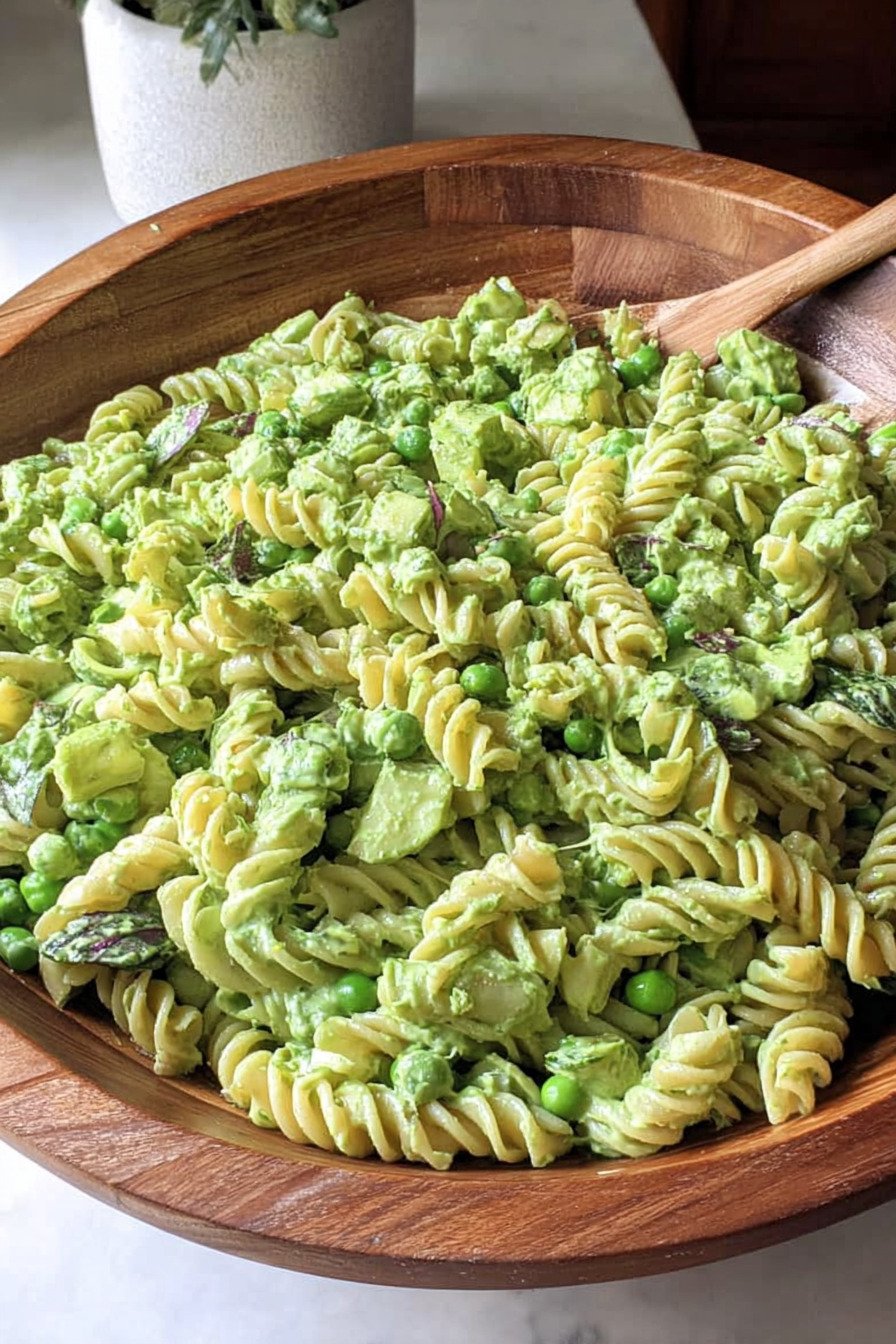
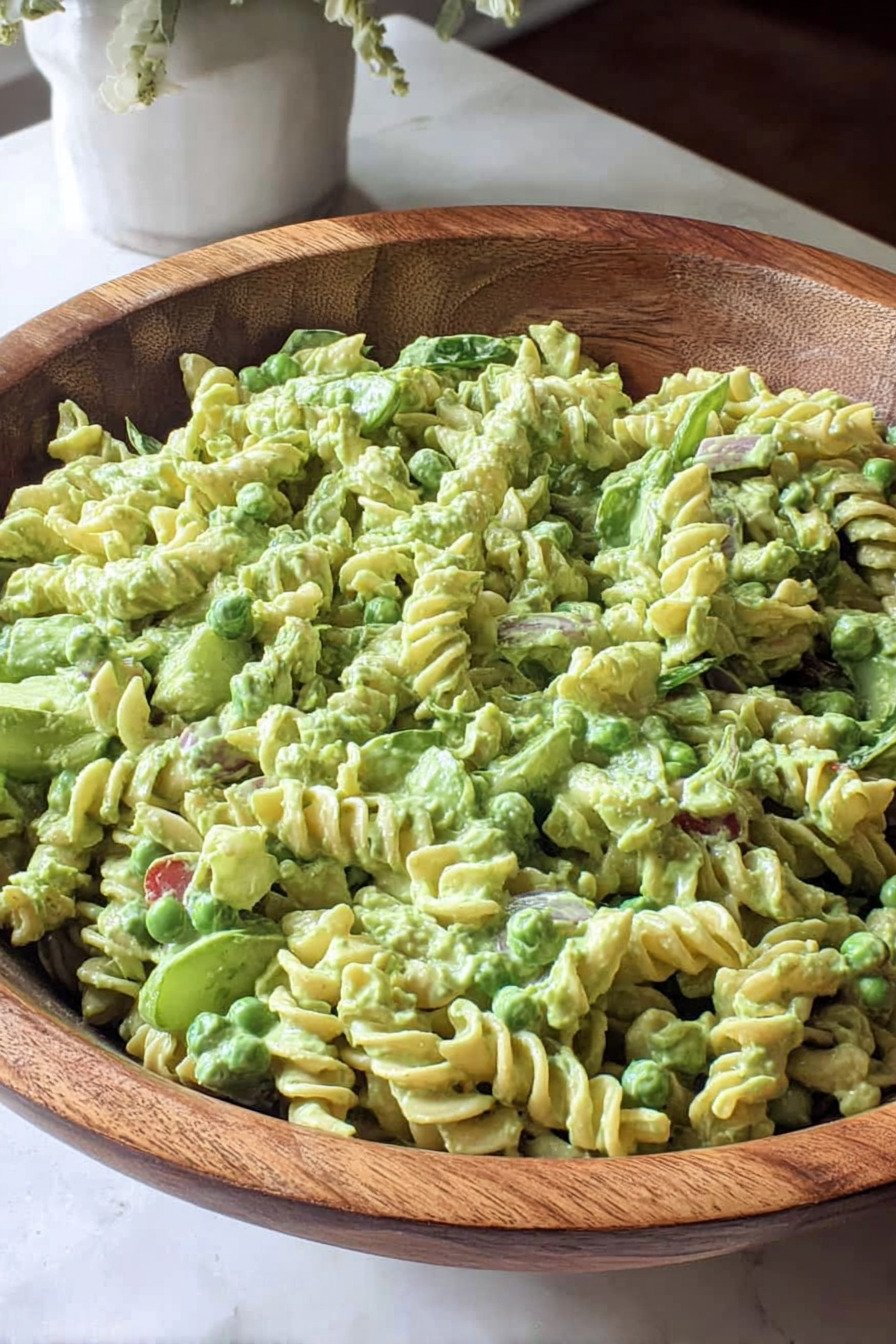
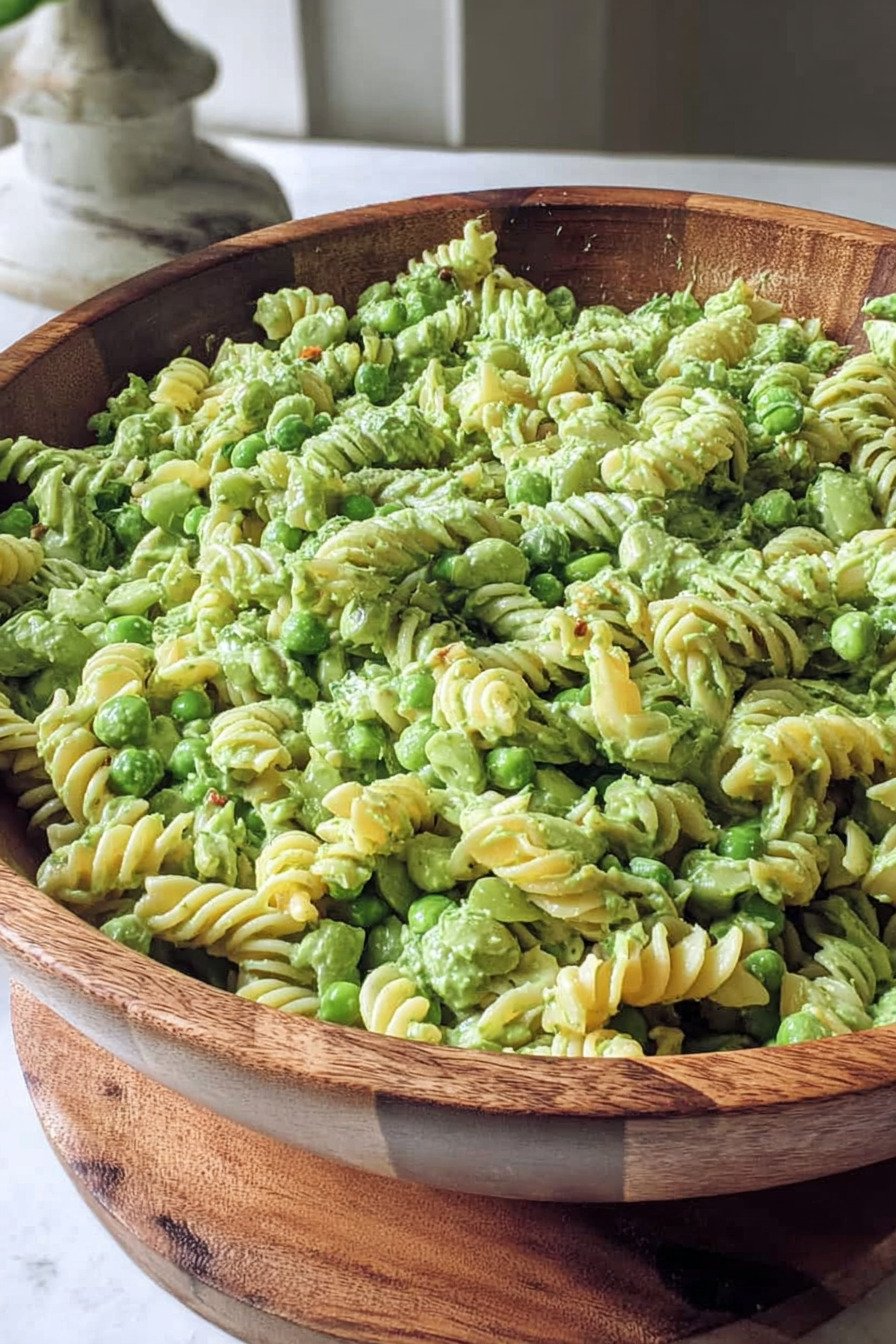
The pasta should feel cool, firm, and separate, not sticky or swollen. The dressing should coat the pasta in a creamy green layer without pooling at the bottom of the bowl. When you lift a spoonful, the cucumber should still look crisp, the peas should hold their shape, and the feta should remain in small creamy crumbles rather than disappearing into the dressing.
The aroma should be fresh and herby, with dill, parsley, mint, lemon, and garlic all coming through. The flavor should taste bright first, then creamy, then lightly salty from the feta. Failure signs include watery liquid in the bowl, a gray-green dressing, mushy pasta, limp cucumber, or a flavor that tastes more like plain yogurt than herbs and lemon.
11) Professional Secrets Behind Better Green Goddess Pasta Salad
A better green goddess pasta salad starts with seasoning in layers. Salt the pasta water, season the dressing, and then season again after tossing. That final adjustment is not extra; it is how cold salads get their flavor back after the ingredients settle together.
Another professional habit is controlling water at every stage. Pasta, thawed vegetables, cucumber, yogurt, and blender water all affect the final consistency. When each part is managed carefully, the dressing stays creamy and the vegetables taste fresh instead of soggy.
The last secret is herb balance. Parsley gives the base, dill makes it savory, mint keeps it cool, and spinach supports the color. Too much of one herb can dominate, but together they create the clean green flavor that makes this one of the most useful green goddess recipes for lunches and side dishes.
12) Best Dishes or Pairings to Serve With Green Goddess Pasta Salad
This green goddess pasta salad works well as a lunch bowl, picnic side, or fresh dinner side. It pairs nicely with grilled chicken, salmon, turkey burgers, veggie burgers, roasted chickpeas, or simple sandwiches. Because the dressing is creamy and herby, it also balances smoky, spicy, or charred foods.
For a lighter meal, serve it with sliced tomatoes, fresh fruit, or a simple green salad. For a more filling plate, add grilled protein on the side rather than mixing it directly into the bowl, which keeps the pasta salad texture cleaner.
13) Making Green Goddess Pasta Salad Ahead of Time
This salad can be made ahead, but the best strategy is partial prep. Cook and cool the pasta, blend the dressing, thaw and drain the peas and edamame, and chop the green onions in advance. Keep the cucumber, feta, and dressing separate until closer to serving so the salad stays crisp and creamy.
If you need to assemble it fully ahead, expect the pasta to absorb some dressing. Before serving, stir gently and refresh with a small squeeze of lemon, a pinch of salt, or a spoonful of water if the dressing has tightened. This keeps the healthy veggie pasta salad tasting fresh instead of heavy.
14) Storing Leftover Green Goddess Pasta Salad
Store leftovers in an airtight container in the refrigerator for up to 2 days. The flavor will remain good, but the color is brightest on the first day because avocado and herbs naturally dull with time. Stir before serving because the dressing can settle and thicken.
This pasta salad is not ideal for freezing. The yogurt-based dressing can separate, the cucumber loses crunch, and the pasta texture becomes less pleasant after thawing. For leftovers, serve chilled rather than reheated, and refresh with lemon juice or a small spoonful of Greek yogurt if needed.
15) FAQ (Real Cooking Questions)
Can I use regular pasta instead of chickpea pasta? Yes. Use any short pasta shape that holds dressing well. Cook it just until firm, then rinse it cold so it does not become too soft in the salad.
Why is my green goddess dressing too thick? Avocado and Greek yogurt naturally make a thick dressing. Add cold water one tablespoon at a time until it becomes creamy and pourable, but stop before it turns thin.
Can I make this without feta? Yes, but the salad will need more salt and acidity because feta adds both. Taste after tossing and add extra lemon juice and kosher salt as needed.
How do I keep the cucumber from making the salad watery? Dice it small, pat it dry if it seems wet, and add it close to serving. This helps the creamy green goddess pasta salad keep its texture.
Can I use this dressing for other salads? Yes. This healthy pasta salad dressing also works on grain bowls, chopped salads, roasted vegetables, or as a dip if you keep it thicker.
16) Save This Green Goddess Pasta Salad Recipe
If this green goddess pasta salad helped you solve the watery pasta salad problem, save it for lunch prep, cookouts, or fresh side dishes. The key reminder is: cool the pasta fast, thin the dressing slowly, and season again after tossing.
17) Conclusion
A great green goddess pasta salad is not about adding more dressing; it is about controlling texture, moisture, and seasoning. Once the pasta is cooled properly, the vegetables are drained well, and the dressing is blended to the right thickness, the whole bowl changes. Instead of a dull pasta salad that turns watery, you get a fresh, creamy, herb-packed salad with crunch, tang, and balance in every bite.
That is the small discovery that makes this recipe worth repeating. Keep the pasta firm, keep the dressing creamy, and let the lemon and herbs do their work. The result feels bright, practical, and genuinely useful for meals that need freshness without fuss.
18) Nutrition
Serving Size 1 portion Calories 285 Sugar 5 g Sodium 380 mg Fat 11 g Saturated Fat 3 g Carbohydrates 34 g Fiber 7 g Protein 15 g Cholesterol 12 mg

Leave a Comment